



Emergency preparedness for medical equipment users requires a written care plan, reliable backup power, extra supplies, accessible emergency contacts, and a safe evacuation strategy. Anyone who depends on medical equipment should prepare for power outages, severe weather, wildfires, earthquakes, transportation disruptions, and other emergencies before they occur.
Emergencies can create serious challenges for people who depend on medical equipment at home. A power outage may interrupt an oxygen concentrator, powered wheelchair, hospital bed, suction device, nebulizer, or other essential device. Flooding, fire, or severe weather can also make it difficult to obtain replacement supplies, charge batteries, contact healthcare providers, or leave the home safely.
For medical equipment users and their caregivers, preparation should go beyond keeping a flashlight and bottled water nearby. A practical emergency plan must account for the person’s health needs, mobility, medications, device instructions, electrical requirements, transportation options, and available support network.
The goal is not to predict every possible emergency. It is to identify the problems most likely to interrupt care and create workable alternatives in advance. The following guidance can help individuals, families, and caregivers develop a safer and more dependable emergency preparedness plan.
What Should a Medical Equipment Emergency Plan Include?
A medical equipment emergency plan should explain exactly what the user needs to remain safe if normal services are interrupted. The plan should be written clearly enough that a family member, caregiver, neighbor, or emergency responder could follow it when the primary caregiver is unavailable.
Begin by creating an inventory of every device used for mobility, breathing support, monitoring, positioning, personal care, or treatment. Record each device’s brand, model, serial number, power requirements, battery type, supplier, and manufacturer contact information. Keep copies of operating instructions with the plan, especially any instructions related to alarms, backup modes, battery replacement, or emergency shutdown procedures.
The plan should also contain a current medication list, allergies, medical conditions, physician contacts, pharmacy details, insurance information, and preferred hospital. Add a brief description of the user’s daily care routine, including which tasks cannot safely be delayed.
Identify what will happen if each piece of medical equipment becomes unavailable. For example, determine whether a manual wheelchair can temporarily replace a power wheelchair or whether a nonpowered positioning option is available if an electric hospital bed cannot be adjusted. Any backup method should first be discussed with the appropriate healthcare professional.
Store printed copies of the plan in several accessible locations. One copy can remain with the emergency kit, another can be carried by the user or caregiver, and another can be given to a trusted contact. Digital copies are useful, but they should not be the only copies because phones and internet services may be unavailable.
Review the plan whenever the user’s condition, medication, caregiver arrangement, or medical equipment changes.
How Should Users Prepare Powered Medical Equipment for an Outage?
Powered medical equipment requires special planning because outages can occur without warning and may continue for hours or days. Users should know which devices are essential, how much electricity each device requires, and how long available batteries can operate under normal conditions.
Read the manufacturer’s instructions before connecting medical equipment to any alternate power source. Not every device is compatible with every battery pack, inverter, portable power station, or generator. Using an unsuitable power source could damage the equipment or create an electrical hazard. The equipment supplier or manufacturer can explain approved backup-power options.
A complete power-outage plan should include the following actions:
Keep rechargeable device batteries fully charged whenever possible.
Maintain approved spare batteries and rotate them according to the manufacturer’s instructions.
Label every charger, cable, adapter, and battery so that another person can identify it quickly.
Test backup power arrangements before an emergency occurs.
Ask the electric utility whether it maintains a medical-needs notification or priority-restoration program.
Keep the utility company, equipment supplier, healthcare provider, and emergency services numbers in the written plan.
Never plug in equipment that is wet or appears damaged.
Operate fuel-powered generators outdoors and away from doors, windows, vents, and enclosed spaces.
Avoid relying on a vehicle for power unless the equipment manufacturer has confirmed that the connection is safe.
Arrange an alternate location with reliable electricity when an extended outage could threaten the user’s health.
Backup power should not be treated as a substitute for professional medical guidance. People who use life-sustaining equipment should ask their healthcare team what circumstances require immediate relocation or emergency assistance.
What Belongs in an Emergency Kit for Medical Equipment Users?
An emergency kit for a medical equipment user must reflect the individual’s actual care routine. A standard household kit is still important, but it may not include the specialized items needed to operate, clean, transport, or troubleshoot medical equipment.
Start with essential care supplies. Depending on the person’s needs, these may include approved batteries, charging cables, adapters, masks, tubing, filters, dressings, gloves, cleaning materials, incontinence products, disposable underpads, cushions, or replacement accessories. Supplies should be stored in clean, labeled, water-resistant containers whenever possible.
Include printed instructions for each device and a written explanation of what its alarms mean. A caregiver who is familiar with the equipment may understand an alert immediately, but a neighbor or emergency responder may not. Clear instructions can prevent confusion during a stressful situation.
The kit should also contain copies of prescriptions, medical records, identification, insurance details, emergency contacts, and equipment supplier information. Keep an updated list of medications and the schedule on which they are taken. Ask the prescribing clinician or pharmacist how to maintain an appropriate emergency supply and how temperature-sensitive medications should be handled during an outage.
Basic preparedness items remain necessary. Include flashlights, fresh batteries, safe drinking water, shelf-stable food that meets the user’s dietary requirements, hygiene products, communication aids, weather-appropriate clothing, and a battery-powered or hand-crank radio.
Check the kit regularly for expired products, discharged batteries, damaged packaging, missing components, or changes in the user’s needs. A kit that was appropriate six months ago may no longer support the current equipment or care plan.
How Can Users Prepare for Evacuation or Sheltering in Place?
Medical equipment users should prepare for both evacuation and sheltering in place because the safest response will depend on the emergency. A wildfire, structural fire, or flood may require immediate evacuation, while severe weather or hazardous outdoor conditions may make remaining indoors safer.
For evacuation, determine how the user and all essential equipment will leave the home. Measure doorways, hallways, ramps, and vehicle storage areas to confirm that a wheelchair, scooter, walker, portable oxygen system, or other device can pass through them. Keep exits free of clutter and make sure ramps, lifts, and pathways remain usable.
Prepare a transport-ready bag containing medical documents, medication information, chargers, batteries, lightweight supplies, and essential accessories. Attach identification to major equipment, but avoid displaying sensitive medical details unnecessarily. Include the user’s name, an emergency contact number, and the equipment supplier’s information.
Transportation arrangements should be made before an emergency. Identify relatives, neighbors, accessible transportation providers, local emergency-management services, or community organizations that may be able to help. Do not assume that every emergency shelter can support every electrical, mobility, respiratory, or personal-care requirement. Contact local authorities in advance to learn what accommodations may be available.
When sheltering at home, choose an accessible interior area with enough room for the user, caregivers, medical equipment, and emergency supplies. Keep clear routes to exits and avoid placing extension cords where they could become trip hazards.
Practice the plan periodically. A realistic drill can reveal problems such as equipment that is too heavy to move, batteries that are difficult to disconnect, or vehicles that cannot hold all essential items.
How Should Medical Equipment Be Stored, Inspected, and Protected?
Proper storage and maintenance can reduce the chance that medical equipment will fail during an emergency. Equipment should be kept in a clean, dry, accessible area that is protected from flooding, extreme temperatures, pests, and accidental damage.
Do not store critical electrical equipment directly on a basement or garage floor if the area could flood. When practical and permitted by the manufacturer, place equipment and backup supplies on stable shelving above the expected water level. Keep cords organized and inspect them for cracking, fraying, loose connections, or exposed wiring.
Create a simple inspection schedule:
Check battery charge levels and expiration or replacement dates.
Test device alarms and approved backup modes.
Inspect power cords, plugs, tubing, wheels, brakes, cushions, and attachments.
Confirm that instruction manuals and emergency contacts are still current.
Replace used, damaged, contaminated, or expired supplies.
Verify that evacuation equipment remains easy to reach.
Clean devices according to their manufacturer-approved procedures.
Schedule professional servicing when required.
After a flood, fire, electrical surge, or other damaging event, do not assume that equipment is safe because it still turns on. Water exposure, smoke, heat, or internal electrical damage may not be immediately visible. Disconnect damaged equipment when it is safe to do so and contact the supplier or manufacturer for instructions.
Avoid making unapproved repairs or modifications during an emergency. Improvised parts, incompatible batteries, or altered wiring can create additional risks. When a device is essential to immediate care and cannot be operated safely, follow the user’s emergency medical plan and contact the appropriate healthcare or emergency service.
Where Can Users Find Equipment and Supplies for Better Preparedness?
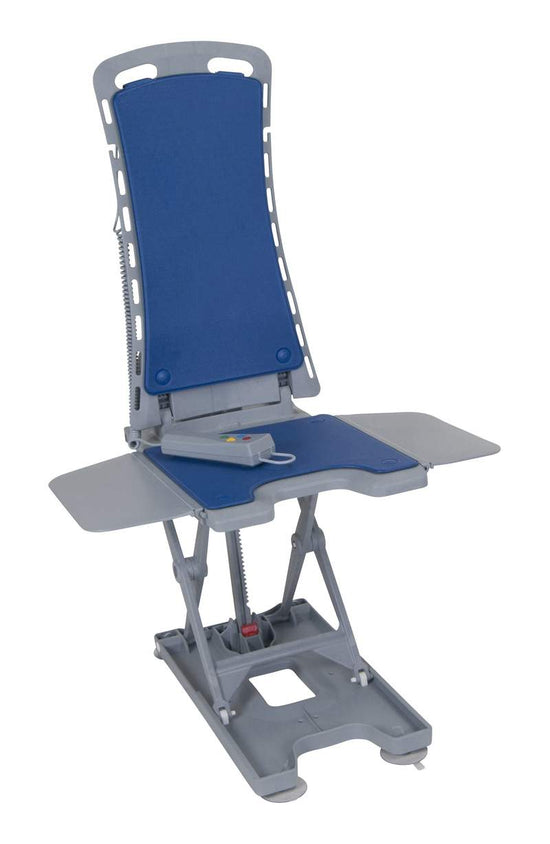
Emergency planning often reveals gaps in a household’s medical equipment and home-care supplies. A user may need a manual mobility backup, replacement wheelchair accessories, a more portable walking aid, bathroom safety equipment, hospital-bed accessories, pressure-relief products, or respiratory supplies recommended for their care plan.
Before purchasing an item, confirm that it is suitable for the user’s medical, mobility, size, weight-capacity, and home-environment requirements. Equipment should also fit into the evacuation plan. A product that works well inside the home may be difficult to transport, store, charge, or operate during an emergency.
Everything Medical offers home-care medical equipment across categories such as wheelchairs, scooters, walkers, rollators, canes, hospital beds, bathroom safety products, bariatric equipment, respiratory equipment, cushions, and related accessories. Readers can browse Everything Medical’s online shop while reviewing their preparedness checklist.
When shopping for emergency-readiness items, compare dimensions, weight capacity, portability, power requirements, battery specifications, maintenance needs, and manufacturer instructions. Keep records of purchases, model numbers, warranties, and supplier contact information with the emergency plan.
Healthcare professionals should be consulted when choosing equipment that affects breathing, mobility, transfers, positioning, pressure management, or another clinical need. The purpose of shopping for preparedness is to support an individualized plan—not to replace professional assessment or device-specific training.
Frequently Asked Questions
How often should a medical equipment emergency plan be reviewed?
Review the plan at least periodically and whenever equipment, medication, health needs, caregivers, or contact information changes. Batteries and emergency supplies should also be checked routinely.
Can any portable power station operate medical equipment?
No. Compatibility depends on the device’s electrical requirements and the power source’s specifications. Confirm approved backup options with the equipment manufacturer or supplier before use.
Should medical equipment users notify their utility company?
Yes, particularly when they rely on electrically powered equipment for essential care. Ask whether the utility offers medical-needs registration, outage notifications, or priority-restoration programs, while maintaining a separate backup plan.
Do not wait for an emergency to discover that essential equipment or supplies are missing. Everything Medical provides home medical equipment and supplies for individuals, caregivers, and families in Redding, California, and beyond. Explore mobility aids, respiratory equipment, hospital beds, bathroom safety products, daily living supplies, and other home-care essentials to help strengthen your emergency preparedness plan.
Visit the Everything Medical online shop today to find dependable home medical equipment and supplies for your needs.
