

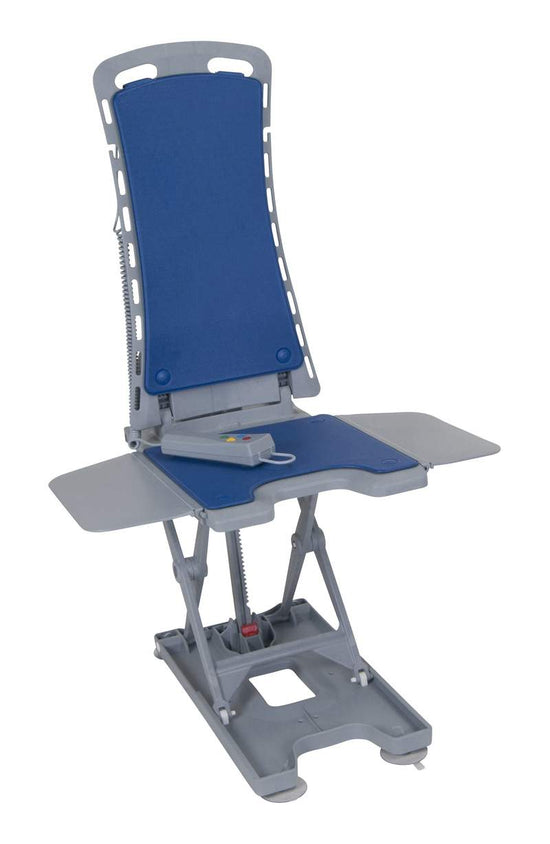


Mobility aids can significantly boost mental well-being by helping individuals retain their independence, confidence, and social connection. Whether it's a cane, walker, or scooter, using mobility aids allows users to stay active, reduce anxiety, and maintain a sense of control over their daily lives.
Maintaining independence is essential for emotional health, particularly for those experiencing mobility challenges due to age, injury, or chronic conditions. Fortunately, mobility aids offer more than just physical support—they also protect and promote mental well-being. For individuals navigating life with limited mobility, these tools can restore autonomy, reduce feelings of isolation, and provide a renewed sense of confidence in their day-to-day activities.
At Everything Medical, we believe that mobility solutions should empower individuals—not define limitations. Understanding the psychological benefits of mobility aids helps users and caregivers make informed, compassionate choices that support both the body and the mind. This article explores how these aids can improve quality of life beyond just physical movement.
How do mobility aids support emotional well-being?
Mobility aids provide a profound emotional boost for individuals who struggle with walking or balance. When someone regains the ability to move safely and freely, their sense of personal freedom and capability increases. This autonomy directly enhances emotional well-being, creating feelings of empowerment and resilience.
By reducing reliance on others for basic tasks—such as walking to the kitchen or going for a walk—mobility aids can ease frustration and prevent feelings of helplessness. This is especially important for older adults who may fear becoming a burden to loved ones. Over time, the increased control over daily activities contributes to a more positive mindset, decreased stress, and even better sleep patterns.
Using mobility aids also allows individuals to engage in meaningful activities they might otherwise avoid, like attending events or running errands. These positive experiences build emotional strength and a greater sense of purpose—key components of psychological health.
What psychological risks are reduced by maintaining independence?
Maintaining independence with the help of mobility aids reduces several key psychological risks, particularly for older adults and those with chronic conditions. One of the most significant is the risk of depression, which often stems from feeling dependent or socially disconnected. By enabling independent movement, mobility aids help preserve a person's ability to make their own choices and maintain daily routines.
Another psychological risk that mobility aids mitigate is anxiety—especially the fear of falling. Many individuals restrict their movements due to fall risk, leading to a cycle of inactivity and isolation. Mobility devices break this cycle by providing physical stability, which eases the fear and encourages more confident movement.
Cognitive decline can also be influenced by levels of social and physical activity. Maintaining independence often means staying mentally and socially engaged, which helps protect against mental health decline over time.
Can mobility aids help prevent social isolation?
Yes—mobility aids can be a vital tool in preventing social isolation, which is a growing concern among older adults and those with limited mobility. When people feel unable to safely leave their homes or move through social spaces, they often begin to withdraw from social interaction. Over time, this leads to loneliness, which is closely linked to depression and other mental health concerns.
Mobility aids reduce these barriers. Whether it's a walker for short strolls or a power scooter for longer outings, these tools make it easier for individuals to stay socially connected. Attending church, visiting friends, or simply going out for coffee becomes possible again—restoring routine social engagement.
Here are some key ways mobility aids prevent social isolation:
-
Enable safe participation in community events
-
Support independent travel to and from gatherings
-
Increase confidence in public environments
-
Encourage continued involvement in hobbies and interest groups
Social engagement isn't just a luxury—it’s a mental health necessity. Mobility aids make that connection possible.
How do mobility aids affect self-esteem and confidence?
The ability to move independently plays a crucial role in shaping how people view themselves. When someone begins to experience mobility issues, it can feel like a loss of identity or dignity. This emotional response is common but often avoidable. Mobility aids restore confidence by allowing individuals to continue functioning independently, even when facing physical limitations.
Rather than a sign of weakness, mobility aids can be reframed as tools of empowerment. When a person can walk steadily with a cane or navigate public spaces with a rollator, they feel more in control of their environment. This increased confidence often leads to greater participation in social, family, and even professional settings.
It’s important to note that confidence builds over time. The initial adjustment to using a mobility aid might be emotional, but with consistent use and support, most individuals report improved self-worth and overall happiness. The dignity that comes with self-sufficiency should never be underestimated.
What are common psychological barriers to accepting mobility aids?
Despite their benefits, many people resist using mobility aids due to emotional and psychological barriers. One of the most common is the perception that needing assistance signals aging, decline, or weakness. This stigma can make individuals hesitant to use a walker or cane, even when it would improve their quality of life.
Fear of judgment—from peers, loved ones, or even strangers—is another powerful barrier. Some people worry that using a mobility aid makes them look frail or draws unwanted attention. These concerns can prevent individuals from taking steps that would actually improve their safety and independence.
Common psychological barriers include:
-
Denial of mobility challenges
-
Embarrassment about appearance
-
Stigma associated with aging
-
Fear of losing identity or independence
-
Resistance to change or new routines
Addressing these fears with compassion and education is key to encouraging adoption of mobility aids.
How can caregivers encourage the use of mobility aids without creating stigma?
Caregivers play a pivotal role in introducing mobility aids in a way that feels supportive rather than stigmatizing. The first step is open, respectful communication. Instead of focusing on what a person "can’t do," frame the conversation around what mobility aids enable them to do more safely and confidently.
Avoid presenting the aid as a sign of decline. Emphasize the benefits—like independence, safety, and freedom to continue favorite activities. Personalizing the selection process also helps. Letting the user choose the style or type of mobility aid gives them a sense of control and pride in the decision.
Here are helpful caregiver strategies:
-
Use positive language ("This will help you stay active")
-
Normalize the use of aids by pointing out how common they are
-
Involve the person in selecting the device
-
Introduce the device gradually to build comfort
-
Share success stories of others who regained independence
Support, patience, and empathy go a long way in making mobility aids a welcomed part of life.
Micro-FAQ
Q1: Are mobility aids only for seniors?
No. People of all ages use mobility aids due to injury, disability, or chronic health conditions. They are designed to support independence at any age.
Q2: Can using mobility aids really improve mental health?
Yes. They reduce anxiety, support social interaction, and restore autonomy, all of which contribute to better emotional well-being.
Q3: What’s the best mobility aid for someone just starting to struggle with walking?
That depends on the level of support needed. A cane or walker is often a good first step. A healthcare provider or mobility expert can offer personalized guidance.
Looking for trusted, high-quality mobility aids in Redding, California? Visit Everything Medical, your local provider of Home Medical Equipment and Supplies. Our team is here to help you or your loved one stay independent, confident, and safe—every step of the way.
