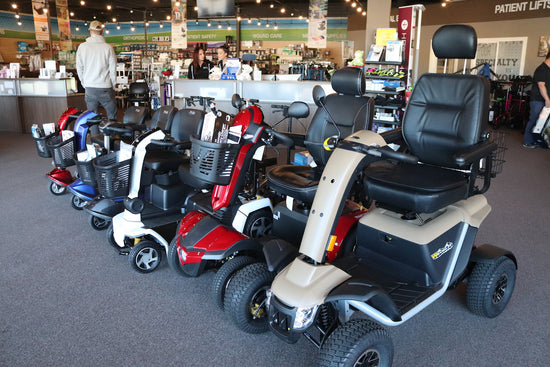

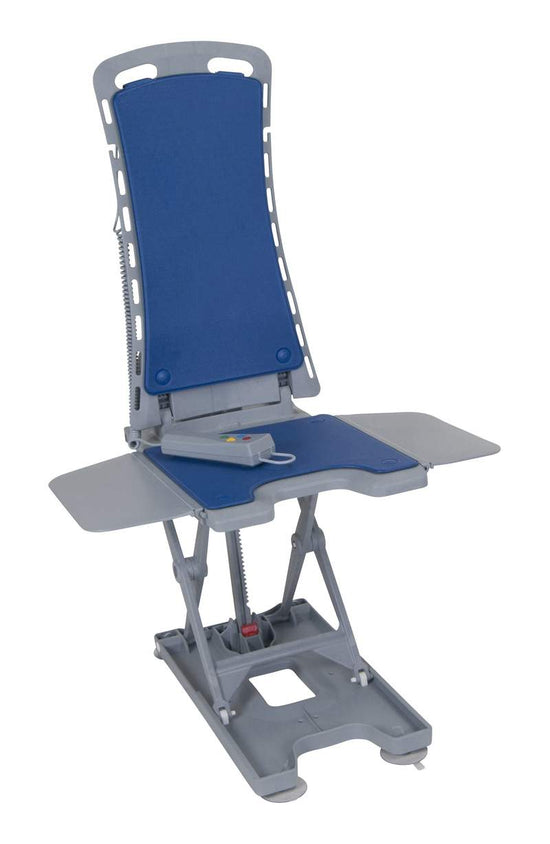


The right accessories can help medical equipment last longer, feel more comfortable, and work more effectively for everyday use. From wheelchair cushions and replacement walker tips to hospital bed accessories and mobility scooter components, choosing compatible additions can reduce unnecessary wear, improve usability, and help individuals remain comfortable and independent at home.
Medical equipment plays an essential role in helping individuals maintain mobility, manage health conditions, and perform everyday activities safely. Whether someone relies on a wheelchair, walker, hospital bed, or mobility scooter, having dependable equipment can make a meaningful difference in their quality of life.
However, purchasing the right equipment is only part of the equation. Over time, everyday use can cause certain components to wear down, reduce comfort, or affect how well equipment performs. Fortunately, many of these concerns can be addressed with the right accessories and routine maintenance.
For seniors, caregivers, and individuals managing mobility limitations, investing in appropriate medical equipment accessories can be a practical way to improve comfort while protecting equipment from avoidable damage.
At Everything Medical in Redding, California, we understand the importance of finding home medical equipment and supplies that support everyday living. Knowing which accessories to consider can help you make informed decisions and get more value from the equipment you depend on.
How Do Accessories Help Extend the Life of Medical Equipment?
Medical equipment is designed to provide reliable support, but repeated use can gradually affect its components. Wheels experience friction, handles can lose their grip, cushions may compress, and adjustable parts can become worn.
Accessories and replacement components can help address these issues before they affect the overall usability of the equipment.
For example, replacing worn walker tips can help maintain traction and reduce unnecessary wear on the walking aid. Similarly, maintaining appropriate wheelchair tires, casters, and protective components can help equipment continue operating as intended.
The key is understanding that not every accessory serves the same purpose. Some additions improve comfort, while others protect equipment surfaces, replace worn components, or make everyday maintenance easier.
Protective accessories can also help reduce exposure to moisture, dirt, and other environmental factors. This is particularly useful for people who regularly transport mobility equipment or use it in different environments.
Proper maintenance remains essential. Accessories cannot compensate for damaged structural components, malfunctioning brakes, or mechanical problems that require professional attention.
It is also important to choose accessories specifically designed for the equipment being used. An incompatible component may affect stability, performance, or the manufacturer's recommended operating conditions.
When selecting accessories for medical equipment, consider the manufacturer's recommendations, the user's daily routine, and the condition of the existing equipment.
Taking care of smaller components can help prevent avoidable deterioration, maintain dependable performance, and reduce the need for premature equipment replacement.
Which Accessories Can Improve Wheelchair and Mobility Scooter Comfort?
Wheelchairs and mobility scooters allow many individuals to move around more independently, but comfort becomes especially important when equipment is used for extended periods.
Sitting in the same position for long periods can contribute to discomfort, pressure, and fatigue. Properly selected accessories can improve the user's experience while supporting better positioning and everyday convenience.
Some useful accessories to consider include:
Wheelchair cushions: Properly fitted cushions can provide additional comfort, positioning support, and, when clinically appropriate, pressure redistribution.
Back support cushions: Compatible supports may help individuals maintain a more comfortable seated position.
Armrest pads: Cushioned armrests can help reduce discomfort when resting the arms during prolonged sitting.
Wheelchair storage bags: Accessible storage compartments make it easier to carry personal items without placing them in unsafe locations.
Mobility scooter covers: Compatible protective covers can help shield equipment from dust and certain environmental conditions when stored appropriately.
Replacement tires and casters: Manufacturer-approved components help maintain predictable movement and performance when existing parts become worn.
Choosing the correct accessory requires considering more than appearance or price.
For wheelchair users, cushions should match the seating dimensions and individual support needs. A cushion that changes the user's sitting height or posture can affect transfers, balance, and positioning.
Individuals who spend significant time in a wheelchair or have an increased risk of pressure injuries should seek professional guidance on appropriate seating and pressure management.
Mobility scooter users should also consider accessory compatibility. Storage baskets, holders, and other additions should never interfere with steering, controls, visibility, or the scooter's weight limits.
At Everything Medical, understanding your daily mobility needs is an important part of choosing equipment and accessories that work well together.
The goal is to make mobility equipment more comfortable and convenient without compromising the safety features that users depend on.
How Can Hospital Bed Accessories Improve Comfort and Daily Care?
Hospital beds are commonly used by individuals recovering from surgery, managing long-term health conditions, or requiring additional assistance with daily activities.
While adjustable positioning can make these beds more practical than standard household beds, certain accessories may improve comfort and make caregiving tasks easier.
One important consideration is the mattress or support surface. Depending on an individual's needs, specialized mattresses and compatible overlays may help distribute pressure and support more comfortable positioning.
For people with limited mobility, selecting the appropriate support surface can be particularly important. However, cushions and mattresses should not be viewed as replacements for individualized repositioning plans, skin care, or professional medical advice.
Other accessories, such as bed positioning aids, can help caregivers support certain activities when used according to the manufacturer's instructions and an appropriate care plan.
Bedside storage solutions may also provide convenience by keeping frequently used items within reach. Having access to personal belongings, reading materials, and other everyday essentials can reduce unnecessary movement and help individuals feel more independent.
Protective mattress covers are another practical option. Compatible covers can help protect mattresses against spills and moisture while making routine cleaning easier.
However, covers should not interfere with the mattress's intended therapeutic properties.
Safety is especially important when selecting hospital bed accessories.
Bed rails, assistive devices, and positioning equipment must be appropriate for the bed and the individual using it. Improper combinations can create serious risks, including entrapment.
Before purchasing these accessories, families and caregivers should verify compatibility and discuss individual safety needs with an appropriate healthcare professional.
When chosen carefully, hospital bed accessories can improve everyday comfort, simplify certain caregiving responsibilities, and help maintain the condition of home medical equipment.
What Accessories Help Keep Walkers and Other Mobility Aids in Good Condition?
Walkers, rollators, canes, and other mobility aids are frequently exposed to repeated movement, floor contact, and changing surfaces.
Because these devices support balance and mobility, keeping their components in good condition is particularly important.
Even relatively small parts can influence the way a mobility aid performs.
For example, rubber tips on traditional walkers and canes gradually wear down through regular contact with the ground. As the material deteriorates, traction may decrease, potentially affecting stability.
Replacing worn tips with manufacturer-compatible components can help maintain the intended contact between the mobility aid and the walking surface.
Rollators require additional attention because their wheels, brakes, and seating components experience different types of wear.
Useful accessories and replacement components include:
Replacement rubber tips: Help maintain traction on compatible walkers and canes.
Walker glide accessories: May make movement easier on appropriate surfaces when approved for the specific device.
Rollator storage bags: Offer a convenient place to carry small personal items without occupying the user's hands.
Padded hand grips: Can improve comfort for individuals who experience discomfort while holding mobility aids.
Compatible replacement wheels: Help maintain proper movement when existing wheels become worn or damaged.
Manufacturer-approved seat cushions: May improve sitting comfort on rollators designed to accommodate them.
Accessories should always be selected with safety in mind.
For example, glide attachments may change how a walker moves and may not be appropriate for every user or surface. Rollator brakes must continue functioning correctly, and additional accessories should not interfere with folding mechanisms or weight limits.
It is equally important to inspect equipment regularly. Loose fasteners, unstable frames, worn brakes, and damaged components may require professional evaluation rather than a simple accessory replacement.
By paying attention to these smaller details, individuals and caregivers can help keep mobility aids comfortable, functional, and dependable.
How Do You Choose Accessories That Are Compatible With Your Medical Equipment?
One of the most important steps when purchasing accessories is confirming that they are appropriate for the specific equipment being used.
Not every wheelchair cushion, walker attachment, or hospital bed accessory is universally compatible.
Differences in dimensions, weight capacities, attachment mechanisms, and manufacturer specifications can affect whether a product fits and functions correctly.
Before choosing an accessory, start by identifying the equipment's manufacturer, model number, and any relevant size measurements.
For example, a wheelchair cushion should fit the seating area without creating gaps, overhang, or positioning problems. A replacement wheel should match the manufacturer's specifications rather than simply looking similar to the original component.
The user's needs should also guide the decision.
Someone who uses a wheelchair occasionally may have different comfort requirements than an individual who remains seated for much of the day.
Similarly, a caregiver assisting someone with limited mobility may prioritize accessories that improve access, support transfers, or simplify routine maintenance.
It is also helpful to think about where the medical equipment will be used.
Equipment used primarily indoors may have different accessory needs from devices regularly exposed to outdoor surfaces, dust, or changing weather conditions.
In Redding, California, summer heat and outdoor conditions can make proper equipment storage and routine inspection especially important. Batteries, upholstered materials, and other components should be protected according to manufacturer instructions.
Avoid assuming that a more expensive accessory automatically provides better performance. The best option is one that meets the user's needs, fits correctly, and can be used safely.
For accessories affecting body positioning, pressure management, transfers, or stability, guidance from an appropriate healthcare professional may be necessary.
A knowledgeable home medical equipment supplier can also help customers compare available options and identify compatibility considerations before making a purchase.
When Should You Replace Accessories Instead of Buying New Medical Equipment?
Medical equipment can represent a significant investment, especially when it supports an individual's mobility and daily independence.
Naturally, many families want to keep equipment functioning safely for as long as possible.
In some situations, replacing an accessory or worn component may be more practical than purchasing an entirely new device.
For example, a wheelchair with a sound frame and properly functioning brakes may only need compatible replacement components or a new seating cushion to address certain comfort or wear concerns.
Similarly, a walker with worn rubber tips may benefit from appropriate replacement tips rather than a complete equipment replacement.
However, it is important to distinguish ordinary component wear from equipment failure.
A damaged wheelchair frame, defective mobility scooter controls, malfunctioning brakes, or an unstable hospital bed should never be treated as a minor accessory issue.
These problems may require professional repair, manufacturer-approved servicing, or full replacement.
Equipment age is another consideration. Older devices may have discontinued parts or may no longer meet the user's changing physical needs.
Even when equipment remains mechanically functional, it may not be the best option if the individual's strength, balance, mobility, or support requirements have changed.
Before deciding whether to repair or replace medical equipment, consider the equipment's overall condition, the availability of compatible parts, manufacturer recommendations, and the cost of necessary repairs.
For powered equipment, electrical and battery-related issues should be evaluated according to the manufacturer's service guidance. Unapproved modifications can create safety hazards and may affect warranty coverage.
Routine inspections and timely accessory replacement can help preserve usable equipment, but safety and suitability must always come first.
Working with an experienced medical equipment supplier can make it easier to understand available replacement options and determine when additional professional evaluation is appropriate.
Frequently Asked Questions About Medical Equipment Accessories
Can accessories really make medical equipment last longer?
Yes. Compatible replacement parts and protective accessories can reduce avoidable wear and help maintain equipment performance. Regular maintenance and proper use are also important for preserving equipment life.
What accessories are most helpful for wheelchair users?
Wheelchair cushions, compatible back supports, armrest pads, and storage accessories can improve comfort and convenience. The best accessories depend on the user's positioning needs, wheelchair model, and daily activities.
How do I know when a medical equipment accessory needs replacing?
Visible damage, reduced traction, flattened cushions, unusual movement, or declining performance may indicate that an accessory needs attention. Check the manufacturer's recommendations and seek professional assistance if the equipment's safety or function is affected.
Find the Right Medical Equipment Accessories at Everything Medical in Redding, California
The right accessories can make a meaningful difference in the comfort, usability, and longevity of your home medical equipment. Whether you are caring for a loved one, recovering from a medical procedure, or looking for ways to maintain your mobility equipment, choosing compatible products can help you get more value from your investment.
At Everything Medical, we are committed to helping individuals and caregivers find dependable home medical equipment and supplies that support everyday needs.
Our locally owned medical supply store in Redding, California, offers a wide selection of mobility aids, wheelchairs, walkers, hospital beds, and other home care products. Our knowledgeable team can help you explore equipment options and accessories suited to your needs.
Visit Everything Medical at 2376 Athens Avenue in Redding, California, or explore our selection at EverythingMedicalOnline.com. You can also call (530) 223-3633 to speak with our team about your home medical equipment and accessory needs.
Let Everything Medical help you find practical solutions for greater comfort, convenience, and confidence in everyday living.
