


Choosing the right equipment for aging parents starts with understanding their mobility, safety, comfort, and daily living needs. Adult children should consider their parents' physical abilities, home environment, personal preferences, and potential future needs before purchasing medical equipment. The right products can help seniors maintain independence while making everyday activities safer and more manageable.
As parents grow older, even simple tasks like getting out of a chair, walking to the bathroom, or moving around the house can become challenging. For adult children, noticing these changes often brings important questions about how to provide support without taking away a parent's independence.
Fortunately, home medical equipment can make a meaningful difference. From walkers and wheelchairs to lift chairs and bathroom safety products, there are many solutions designed to improve comfort, mobility, and daily living.
However, buying medical equipment isn't always as straightforward as choosing a product online. Understanding what your parents actually need, how equipment fits their home, and whether professional guidance is necessary can help you make a better decision.
For families in Redding, California, Everything Medical offers a wide range of home medical equipment and supplies to help make these decisions easier.
How Can You Tell When Your Aging Parent Needs Medical Equipment?
One of the biggest challenges adult children face is determining when their parents need additional support. Aging happens gradually, and many seniors adapt to physical changes without mentioning their difficulties to family members.
Your parent might start avoiding stairs, holding onto furniture while walking, or spending more time sitting because standing has become uncomfortable. These changes may indicate that everyday activities are becoming harder to manage.
Other signs can be more noticeable, such as difficulty getting out of bed, struggling with bathing, or needing assistance when using the bathroom.
When considering equipment for aging parents, watch for changes in their normal routines, including:
Difficulty walking or maintaining balance: Frequent stumbling, shuffling, or relying on furniture for support may indicate a need for a mobility assessment.
Trouble standing from seated positions: Lift chairs or other appropriately selected assistive equipment may help with daily transfers.
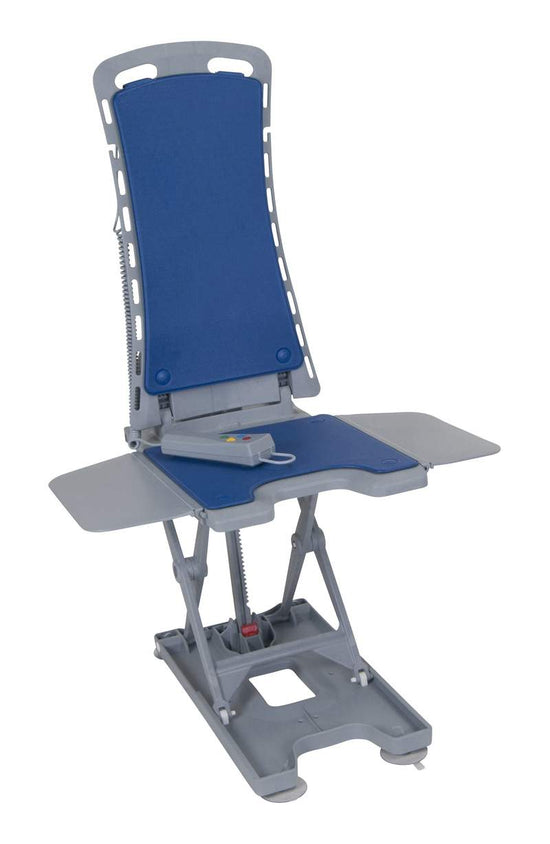
Challenges with bathing: Shower chairs, grab bars, and transfer benches can provide additional support.
Fatigue during everyday activities: Mobility aids may help some seniors conserve energy and remain active.
Recent falls or near-falls: These should prompt a conversation with a healthcare professional about fall prevention and mobility needs.
It's important to remember that needing assistance doesn't automatically mean losing independence. In many cases, the right equipment can help aging adults continue performing activities they enjoy.
Before purchasing anything, talk with your parent about the difficulties they're experiencing. If there are changes in walking, balance, strength, or physical function, consider involving their healthcare provider or a physical or occupational therapist.
A professional assessment can help determine whether medical equipment is appropriate and what type will provide the safest support.
What Types of Equipment for Aging Parents Are Most Helpful?
Not every senior needs the same equipment. Some older adults remain active but need occasional assistance with balance, while others require more substantial support for mobility and daily living.
Understanding the most common equipment categories can help families identify practical options.
Mobility Aids
Canes, walkers, rollators, and wheelchairs are among the most frequently considered products for older adults experiencing mobility challenges.
A cane may provide limited assistance for certain balance or walking difficulties, while a walker can offer a broader support base. Rollators, which typically include wheels, brakes, and sometimes a seat, may be useful for individuals who can safely control them.
Wheelchairs and power mobility devices can help individuals who have difficulty walking longer distances or moving independently. The correct device depends on physical abilities, home accessibility, and professional recommendations.
Bathroom Safety Equipment
Bathrooms can present significant hazards because of slippery surfaces, tight spaces, and the need to sit, stand, or step over obstacles.
Grab bars, shower chairs, transfer benches, raised toilet seats, and bedside commodes may help make these activities more manageable.
Lift Chairs and Patient Room Equipment
Power lift recliners can assist some users with moving from a seated to a standing position. Adjustable hospital beds and other patient room products may also be appropriate for individuals with specific positioning or caregiving needs.
Daily Living and Personal Care Supplies
Depending on individual needs, personal care products and daily living aids can make routine activities more comfortable and convenient.
The most helpful equipment for aging parents is not necessarily the most expensive or technologically advanced option. It's the equipment that addresses a specific need while matching the user's physical abilities and living environment.
Everything Medical carries a variety of mobility aids, power lift recliners, wheelchairs, hospital beds, bathroom safety products, and other home medical supplies to help families explore suitable solutions.
Why Should You Evaluate Your Parent's Home Before Buying Equipment?
An important part of selecting medical equipment is understanding where and how it will be used.
A product may work well in a medical equipment showroom but present challenges in a home with narrow hallways, uneven flooring, tight bathroom entrances, or limited space around furniture.
For example, a wheelchair that comfortably supports your parent might be too wide for certain doorways. Similarly, a walker may become difficult to maneuver through rooms crowded with furniture.
Before investing in equipment for aging parents, evaluate the areas where they spend the most time.
Start with the bedroom. Consider whether the bed is easy to get into and out of, whether there is enough space for mobility equipment, and whether frequently used items are within comfortable reach.
Next, examine the bathroom. Determine whether your parent can safely enter the shower, reach the toilet, and maintain balance while bathing. Properly installed grab bars and suitable bathing equipment may help address specific difficulties.
The living room and kitchen deserve attention as well. Look for loose rugs, electrical cords, cluttered pathways, and furniture arrangements that interfere with movement.
If your parent uses a wheelchair or scooter, measure doorways, turning areas, and storage spaces. Consider how they will enter and exit the home, especially if stairs or raised thresholds are present.
It's also important to think about equipment storage, charging requirements, and access to electrical outlets when considering powered products.
A home safety assessment by an occupational therapist can help identify hazards and recommend changes based on your parent's abilities.
Taking these steps before purchasing equipment can reduce frustration, improve usability, and help avoid buying products that don't fit the environment.
How Do You Choose Equipment That Supports Independence Without Sacrificing Safety?
For many older adults, accepting help can be emotionally difficult. A parent who has spent decades caring for others may feel uncomfortable relying on a walker, wheelchair, or lift chair.
This makes communication an important part of choosing home medical equipment.
Rather than focusing only on physical limitations, explain how the right equipment may help your parent continue enjoying familiar activities.
For example, a mobility aid might make it easier to participate in family outings, while a properly selected shower chair could make personal care less physically demanding.
When exploring equipment for aging parents, keep several important factors in mind:
Comfort and fit: Equipment should accommodate the user's height, weight, strength, and positioning needs.
Ease of operation: Controls, handles, brakes, and adjustments should be manageable for the person using the product.
Appropriate support: Different mobility devices offer different levels of stability and assistance.
Product capacity: Always review manufacturer weight limits and operating requirements.
Maintenance needs: Consider cleaning, battery charging, replacement parts, and routine servicing.
User preferences: Include your parent in product comparisons whenever possible.
A device that feels complicated, uncomfortable, or embarrassing may remain unused, even if it was purchased with good intentions.
Whenever practical, allow your parent to see and try equipment before making a final decision.
This is especially valuable for products such as power lift recliners, rollators, wheelchairs, and mobility scooters, where fit and ease of operation can vary considerably.
Professional recommendations are particularly important for individuals with significant mobility limitations, recent injuries, neurological conditions, or a history of falling.
The goal is to find equipment that supports safe movement and meaningful independence, rather than choosing a product based solely on convenience or appearance.
What Should Families Know About Medical Equipment Costs and Insurance Coverage?
Medical equipment can represent a significant financial decision, particularly when families are purchasing several products to address changing care needs.
Costs vary considerably depending on the type of equipment, its features, manufacturer, and whether customization is necessary.
For example, basic mobility aids may cost substantially less than powered wheelchairs, specialized hospital beds, or complex patient transfer systems.
Before purchasing equipment for aging parents, establish which items are essential immediately and which may be needed later.
This can help families prioritize spending while avoiding unnecessary purchases.
Insurance coverage is another important consideration. Medicare and other insurance plans may cover certain medically necessary durable medical equipment when eligibility, documentation, supplier, and coverage requirements are met.
However, not every product qualifies for reimbursement.
Coverage may depend on factors such as a healthcare provider's order, documented medical necessity, the equipment's intended use, and specific insurance plan rules.
Some products designed primarily for convenience or general household safety may not be covered. For example, Medicare generally does not pay for bathroom grab bars or standard lift chairs, although the seat-lift mechanism of a qualifying lift chair may be covered under certain circumstances.
Families should also ask whether purchasing or renting equipment makes more sense.
Rentals may be appropriate for temporary recovery periods, while purchasing may provide better long-term value for equipment needed regularly.
Before finalizing a purchase, ask about warranties, return policies, available service, and maintenance requirements.
Everything Medical can help customers navigate equipment options and insurance billing questions. The company works with Medicare, Medi-Cal, Partnership, and other coverage programs, subject to applicable requirements.
Checking these details in advance can help families better understand potential out-of-pocket expenses and avoid unexpected costs.
Why Is Buying From a Local Medical Equipment Provider Worth Considering?
Shopping online has made medical equipment more accessible, but convenience isn't the only factor families should consider when purchasing products for an aging parent.
Unlike ordinary household purchases, many medical equipment products require careful attention to fit, function, safety, and long-term usability.
A product description may list dimensions and features, but it cannot always tell you whether a particular walker will feel comfortable, whether a lift chair fits your parent's body proportions, or whether a wheelchair can be maneuvered effectively.
Working with a local medical equipment provider gives families the opportunity to discuss their concerns and compare suitable products in person.
For adult children who are unfamiliar with home medical equipment, knowledgeable assistance can be particularly valuable.
A local supplier can explain product features, discuss available options, and help customers understand differences between equipment categories. For complex mobility needs, clinical assessments and specialized fitting may still be necessary.
Another advantage is having a local point of contact for product questions, equipment servicing, and troubleshooting.
Some families may also benefit from delivery, equipment setup, or rental options, depending on the supplier and product availability.
For residents of Redding, California, Everything Medical offers a locally owned source for home medical equipment and supplies.
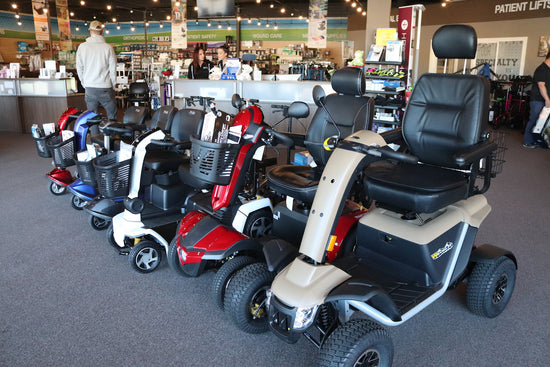
The store features a spacious showroom where customers can explore products such as walkers, rollators, wheelchairs, mobility scooters, power lift recliners, hospital beds, and bathroom safety equipment.
Everything Medical also provides assistance with insurance billing and offers delivery services in Redding.
When choosing equipment for aging parents, having access to a knowledgeable local team can make the purchasing experience more manageable.
Most importantly, it gives adult children and their parents an opportunity to ask questions, understand their options, and make decisions with greater confidence.
Frequently Asked Questions About Equipment for Aging Parents
What equipment should I buy first for an aging parent?
Start with equipment that addresses your parent's most immediate safety or mobility concerns. Depending on their needs, this could include a professionally recommended walker, bathroom safety equipment, or a suitable seating aid.
Does Medicare cover equipment for aging parents?
Medicare Part B may cover certain medically necessary durable medical equipment when its coverage requirements are met. Eligibility varies by product, medical documentation, supplier status, and individual circumstances, so verify coverage before purchasing.
Should I buy medical equipment online or from a local supplier?
Both options can be appropriate, but a local medical equipment supplier may offer the advantage of in-person product comparisons, guidance, and access to service. This can be especially helpful when purchasing mobility equipment that requires careful fitting or instruction.
Find the Right Home Medical Equipment With Everything Medical
Helping an aging parent remain comfortable and independent begins with understanding their needs and choosing equipment that supports everyday living.
Whether your family is exploring mobility aids, bathroom safety products, power lift recliners, wheelchairs, or hospital beds, having reliable equipment and knowledgeable assistance can make a meaningful difference.
Everything Medical is proud to help families in Redding, California, and surrounding communities find home medical equipment and supplies suited to their needs.
Visit our showroom at 2376 Athens Avenue, Redding, CA 96001, to explore our selection and speak with our friendly team.
You can also call (530) 223-3633 or visit Everything Medical to learn more about our products and services.
Let Everything Medical help you find practical solutions that support your loved one's comfort, safety, and independence at home.
