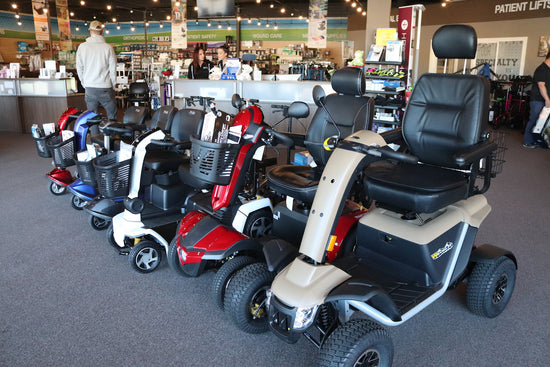



Winter mobility safety begins with properly maintained equipment, safe walking surfaces, and preparation for changing weather conditions. Inspecting wheelchairs, walkers, mobility scooters, and other assistive devices before temperatures drop can help reduce the risk of falls, equipment problems, and unexpected mobility challenges.
Cold weather can create unexpected challenges for individuals who depend on mobility equipment to maintain their independence. Wet sidewalks, slippery surfaces, reduced daylight, and colder temperatures can make everyday activities more difficult, especially for older adults and individuals experiencing joint pain or limited mobility.
For residents of Redding, California, winter may not always bring heavy snowfall, but seasonal rain, chilly mornings, and occasional freezing conditions can still affect mobility and personal safety. Those traveling to higher elevations around Northern California may encounter additional hazards, including snow and ice.
Taking a proactive approach to winter mobility safety can help individuals remain comfortable, confident, and active throughout the colder months.
Whether you use a wheelchair, walker, cane, or mobility scooter, understanding how winter conditions affect your equipment is an important step toward preventing accidents and maintaining independence.
Why Is Winter Mobility Safety Important for Individuals Using Mobility Equipment?
Winter introduces environmental challenges that can make movement more difficult for people who rely on mobility aids. Even relatively mild winters can create hazards when rain, moisture, and temperature changes affect outdoor surfaces.
For individuals with limited mobility, maintaining balance often requires additional attention and effort. Wet pavement, uneven pathways, and slippery entryways can increase the risk of losing traction or experiencing a fall.
Mobility equipment provides valuable support, but its effectiveness depends on proper maintenance and appropriate use. Worn walker tips, underinflated wheelchair tires, or malfunctioning scooter brakes can become particularly concerning when surfaces are slippery.
Cold temperatures may also affect how comfortably someone moves. People experiencing arthritis, joint stiffness, or chronic discomfort may find certain activities more challenging during colder months. Although cold weather does not affect everyone in the same way, planning for potential discomfort can make daily movement easier.
Winter mobility safety is especially important for individuals who regularly travel between indoor and outdoor environments. Moving from a dry floor onto wet pavement, for example, requires awareness of changing traction conditions.
Caregivers and family members also play an important role. By helping inspect mobility equipment, maintaining accessible walkways, and encouraging safe movement habits, they can reduce preventable hazards.
Preparing for seasonal conditions does not mean limiting independence. Instead, it means creating an environment where mobility equipment can function effectively and individuals can continue participating in daily activities.
A combination of equipment maintenance, environmental awareness, and appropriate physical support can make winter travel safer and more manageable.
How Should Wheelchairs and Mobility Scooters Be Prepared for Cold Weather?
Wheelchairs and mobility scooters require regular maintenance throughout the year, but winter conditions make certain inspections particularly important.
Rain, moisture, debris, and temperature fluctuations can affect moving components and traction. Battery-powered mobility equipment also requires special consideration because cold temperatures can reduce battery performance and operating range.
Preparing equipment before winter begins can help identify potential concerns before they interfere with daily activities.
Important maintenance steps include:
Inspect tires and wheels. Check for excessive wear, damaged tread, and proper tire inflation when pneumatic tires are used. Follow manufacturer recommendations for tire pressure.
Test braking systems. Confirm that wheelchair brakes, parking brakes, and scooter braking mechanisms function correctly before traveling.
Check battery condition. Fully charge batteries according to manufacturer instructions and monitor whether colder temperatures affect operating range.
Examine electrical connections. Look for visible damage or corrosion and arrange professional servicing when necessary.
Clean moving components. Remove dirt, moisture, and debris from accessible surfaces while following approved cleaning and maintenance instructions.
Inspect seating and support components. Verify that cushions, armrests, footrests, and other adjustable parts remain secure and properly positioned.
Battery-powered devices should generally be stored in dry environments within the temperature range recommended by their manufacturers. Avoid charging a battery outside its approved temperature range, and never expose equipment to water beyond its stated protection rating.
Wheelchair users should also pay attention to hand rims, wheel bearings, and braking components. Moisture and debris can interfere with comfortable operation, particularly after traveling outdoors.
Mobility scooter users should confirm that lights, reflectors, and other visibility features function correctly. Shorter winter days can make visibility an important safety consideration.
Before taking longer trips, review weather conditions and ensure that the equipment has sufficient battery capacity or is otherwise ready for use.
If a wheelchair or scooter shows signs of mechanical problems, avoid using it on hazardous surfaces until the issue has been professionally evaluated.
Regular inspections are a practical part of winter mobility safety and can help keep essential equipment dependable.
What Maintenance Do Walkers, Rollators, and Canes Need During Winter?
Walkers, rollators, and canes provide important stability for individuals who need additional support while walking. However, these devices depend on consistent contact with the ground, making traction especially important during wet or slippery weather.
One of the most common maintenance concerns involves rubber tips and contact surfaces. Over time, regular use can wear down rubber components, reducing their ability to grip the ground effectively.
Wet entryways, smooth flooring, and rain-soaked pavement may become more challenging when mobility aids have damaged or worn contact points.
Before colder weather arrives, inspect the components that help keep these devices stable.
For standard walkers and canes, rubber tips should be securely attached and free from excessive wear, splitting, or hardening. If a tip appears damaged or no longer provides reliable traction, it should be replaced with a compatible component.
Rollators require additional attention because they have wheels and braking systems. Check that the wheels rotate properly, brakes engage consistently, and the frame remains stable.
Users should also inspect adjustable height mechanisms. A walker or cane that is positioned incorrectly may encourage uncomfortable posture or place unnecessary strain on the shoulders, wrists, or back.
Moisture is another consideration. After using a mobility aid outdoors, wipe away water and debris before storing it. This helps keep gripping surfaces clean and allows users to notice damage more easily.
Certain traction accessories are designed for particular winter conditions, but they should only be used when compatible with the device and appropriate for the surface.
A mobility aid that works well on dry indoor flooring may not perform the same way on wet pavement or icy ground.
When surfaces are unsafe, choosing another route or requesting assistance may be the safest option.
By maintaining essential components and recognizing changing environmental conditions, individuals can improve winter mobility safety while continuing to use familiar mobility equipment.
How Can You Make Your Home Safer for Winter Mobility?
A safer winter environment begins at home. Entryways, bathrooms, hallways, and outdoor paths should support comfortable movement, especially for individuals who depend on wheelchairs, walkers, or other mobility aids.
During colder months, moisture is one of the most common concerns. Rainwater carried indoors on shoes or mobility equipment can create slippery floors, particularly on tile, laminate, or other smooth surfaces.
Reduced daylight can also make it harder to recognize obstacles, uneven flooring, or changes in elevation.
Creating an accessible home environment helps reduce unnecessary hazards and makes daily movement more predictable.
Consider the following winter safety improvements:
Keep entrances dry. Use secure, low-profile, slip-resistant mats that do not curl or interfere with walkers and wheelchair wheels.
Improve indoor lighting. Install adequate lighting in hallways, bathrooms, stairways, and entryways.
Maintain clear pathways. Remove clutter, loose cords, and unsecured rugs that could interfere with mobility equipment.
Check ramps and handrails. Inspect outdoor access areas for damage, accumulated debris, and slippery surfaces.
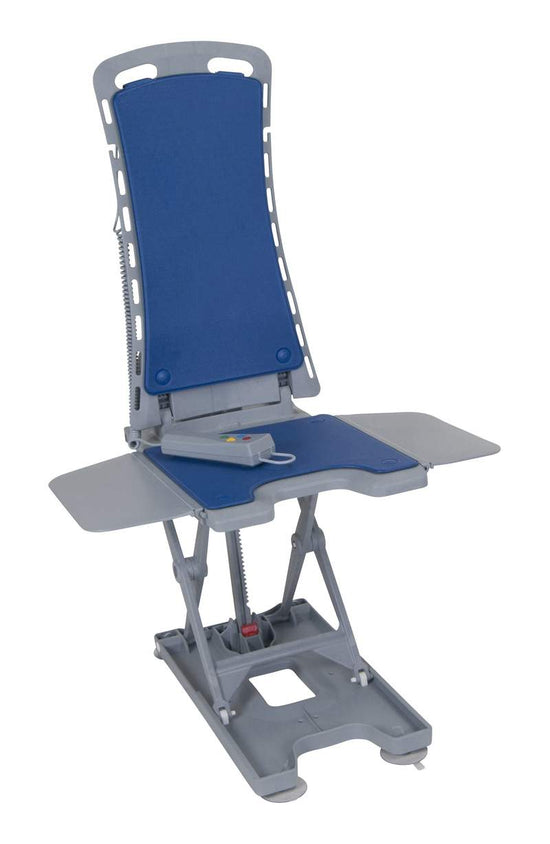
Consider bathroom safety equipment. Properly installed grab bars, shower chairs, and other appropriate supports can help make daily routines safer.
Monitor outdoor walkways. Clear leaves, standing water, and other obstacles that may create slipping hazards.
For individuals using wheelchairs or scooters, doorway clearance and turning space are particularly important. Avoid placing winter decorations, storage containers, or other seasonal items in areas needed for safe movement.
Caregivers should also consider how individuals transfer between beds, chairs, toilets, and mobility devices.
Stable seating, appropriate transfer equipment, and well-organized living spaces can reduce unnecessary physical strain.
Homes with exterior ramps may require additional attention during periods of heavy rain or freezing temperatures. Ramp surfaces should be inspected regularly, and travel should be avoided when traction is inadequate.
Thoughtful home adjustments do not necessarily require major renovations. Small changes, such as improving lighting or replacing worn floor mats, can make everyday tasks more manageable.
Effective winter mobility safety involves both maintaining assistive equipment and creating surroundings that support safe, independent movement.
How Does Cold Weather Affect Joint Comfort, Balance, and Mobility?
Cold weather can influence how people experience movement, especially when they already have arthritis, joint discomfort, muscle weakness, or limitations in flexibility.
Some individuals report increased stiffness or discomfort during colder conditions. While the relationship between weather and joint pain varies from person to person, reduced activity and prolonged periods of sitting can also contribute to feelings of stiffness.
When joints feel uncomfortable, individuals may change the way they walk, stand, or transfer between surfaces.
These adjustments can affect posture, balance, and overall movement confidence.
For someone using a walker or cane, discomfort in the hips, knees, or ankles may make walking more demanding. Wheelchair users may also experience additional upper-body strain if they must navigate difficult surfaces or repeatedly propel themselves across uneven ground.
Maintaining comfortable movement habits is therefore an important part of winter mobility safety.
Gentle movement, when medically appropriate, can help individuals maintain flexibility and reduce the effects of prolonged inactivity. Indoor walking, seated exercises, and individualized strengthening activities may provide practical options during poor weather.
Maintaining strength is particularly valuable because muscles help support joint stability and functional movement.
At Align, the approach to movement and joint discomfort emphasizes understanding the underlying factors that contribute to physical limitations. Individualized assessments, mobility training, stability exercises, and progressive strengthening can help people work toward more confident movement.
This perspective is especially relevant during winter when uncomfortable conditions may discourage regular physical activity.
Individuals who experience recurring pain, balance difficulties, or changes in walking ability should consider consulting an appropriate healthcare professional.
A personalized movement plan can help identify safe activities, support physical function, and account for individual limitations.
The goal is not to push through significant pain or ignore mobility concerns. Instead, it is to maintain appropriate activity while respecting the body's needs.
Combining physical conditioning with properly maintained mobility equipment can support a more confident approach to colder weather.
When Should You Replace or Upgrade Mobility Equipment Before Winter?
Mobility equipment is designed to provide dependable support, but regular use eventually causes wear. Recognizing when equipment needs maintenance, replacement, or an upgrade can help prevent avoidable problems.
Many people continue using familiar equipment even after their mobility needs have changed. A walker that once provided sufficient stability may no longer offer the same level of support if balance or endurance has declined.
Similarly, an aging mobility scooter may develop battery issues, worn tires, or mechanical problems that become more noticeable during cold weather.
One important warning sign is repeated difficulty operating equipment.
For example, a rollator with brakes that no longer hold securely may require repair or replacement. A wheelchair with damaged wheels or an unstable frame should be evaluated promptly rather than used until it fails.
Changes in physical ability should also prompt a review.
Individuals who become fatigued more quickly, experience increasing difficulty walking, or need additional support during transfers may benefit from an assessment of their current mobility equipment.
However, choosing a new device should not be based solely on convenience or appearance.
Factors such as strength, balance, posture, living environment, weight capacity, and intended use all influence whether a mobility aid is appropriate.
A healthcare professional, physical therapist, or occupational therapist can help determine what type of equipment best matches an individual's functional needs.
For powered mobility devices, replacement decisions should also consider battery condition, repair availability, and manufacturer recommendations.
Winter is a useful time to evaluate equipment because changing weather conditions can reveal maintenance concerns that might otherwise go unnoticed.
For residents of Redding, California, and surrounding communities, having access to knowledgeable home medical equipment suppliers can make this process easier.
The right equipment, properly fitted and maintained, can support independence while reducing unnecessary physical demands.
An important part of winter mobility safety is recognizing when routine maintenance is sufficient and when professional guidance or replacement equipment may be necessary.
Frequently Asked Questions About Winter Mobility Safety
How often should mobility equipment be inspected during winter?
Mobility equipment should receive a basic visual and functional check before use, especially after exposure to rain, moisture, or difficult outdoor conditions. More detailed maintenance should follow the manufacturer's recommended schedule.
Can mobility scooters be used in cold or rainy weather?
Some mobility scooters can operate in cooler temperatures, but battery performance may decrease, and wet surfaces can reduce traction. Always follow the manufacturer's temperature and moisture restrictions, and avoid ice, standing water, and unsafe terrain.
What is the best way to prevent falls when using mobility aids in winter?
Keep mobility equipment in good condition, wear appropriate slip-resistant footwear, and avoid slippery or obstructed pathways. Properly fitted mobility aids, good lighting, and professional guidance when balance or strength changes can further reduce fall risks.
Prepare for Winter With Reliable Mobility Equipment From Everything Medical
Maintaining independence during colder months begins with the right equipment, regular inspections, and thoughtful preparation.
Whether you are caring for an older family member, managing limited mobility, or preparing your own mobility equipment for changing weather conditions, dependable support can make everyday activities easier and safer.
Everything Medical, a home medical equipment and supplies provider in Redding, California, offers mobility solutions including walkers, rollators, wheelchairs, mobility scooters, and other home care products designed to support daily living.
Their team can help customers explore available equipment and identify product options that fit their needs.
Visit Everything Medical in Redding, California, or explore their mobility equipment online at everythingmedicalonline.com to prepare for the winter season with greater confidence.
For individuals seeking additional support with joint discomfort, movement limitations, and physical strength, Align's personalized movement and rehabilitation programs can complement a thoughtful approach to maintaining mobility throughout the year.
