

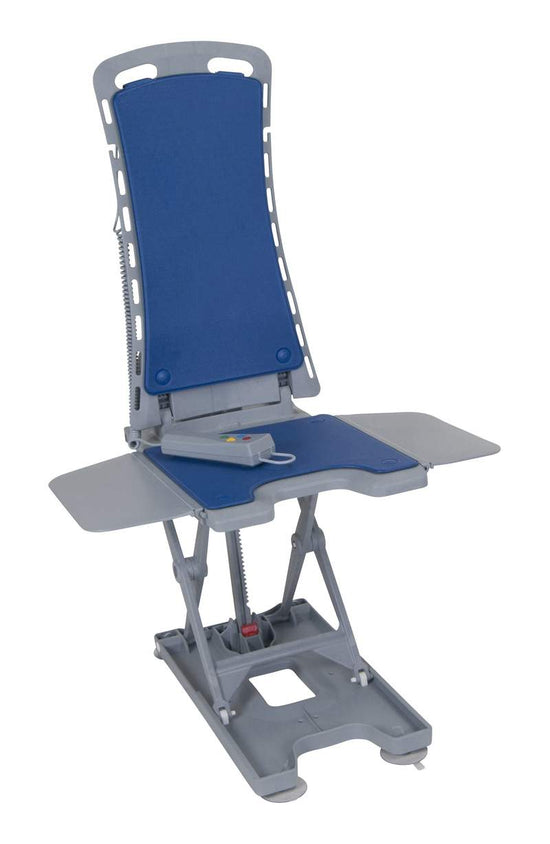


Reducing pressure, pain, and discomfort at home starts with creating a supportive environment that promotes healthy posture, comfortable positioning, and safer movement. The right combination of ergonomic furniture, pressure-relieving surfaces, mobility aids, and thoughtful home adjustments can help minimize unnecessary strain on the body while making everyday activities more manageable.
Your home should be a place where your body can rest, recover, and move comfortably. However, an unsuitable chair, poorly positioned bed, or difficult-to-navigate living space can contribute to muscle tension, joint stress, and physical discomfort.
For individuals managing chronic pain, recovering from an injury, or experiencing age-related mobility changes, even small adjustments can make a meaningful difference.
Understanding how your environment affects your body is an important step toward maintaining independence and improving everyday comfort.
How Does Your Home Environment Affect Pressure, Pain, and Discomfort?
The way your home is arranged can directly influence how your body feels throughout the day. Furniture height, seating support, sleeping positions, and the accessibility of everyday items all affect how much effort your muscles and joints must exert.
When your environment requires repeated bending, reaching, twisting, or prolonged sitting in uncomfortable positions, these movements can increase physical strain.
For example, a couch that sits too low may make standing difficult for someone experiencing knee or hip pain. Similarly, an unsupportive mattress may contribute to uncomfortable sleeping positions and morning stiffness.
Over time, these challenges can interfere with daily routines, particularly for individuals managing arthritis, chronic back pain, or limited mobility.
A well-designed home environment can help reduce unnecessary stress by supporting more comfortable movement patterns.
This does not necessarily require expensive renovations. Often, improving furniture placement, adjusting frequently used surfaces, and choosing appropriate supportive equipment can create noticeable improvements.
It is also important to recognize that discomfort can have several contributing factors. Physical conditioning, previous injuries, joint health, and underlying medical conditions can all influence how someone experiences pain.
A supportive home setup works best when combined with appropriate physical activity, professional guidance, and healthy movement habits.
By identifying the activities and areas of your home that consistently cause discomfort, you can make more targeted adjustments that support reducing pressure, pain, and discomfort throughout your daily routine.
What Furniture and Seating Options Help Reduce Everyday Discomfort?
Choosing appropriate furniture is an essential part of creating a comfortable and accessible living environment.
Many people spend significant portions of their day sitting, whether watching television, reading, working, or spending time with family. If seating does not adequately support the body, prolonged sitting can contribute to stiffness, muscle fatigue, and increased pressure on sensitive areas.
The goal is to choose furniture that supports natural positioning while allowing users to change positions and stand without excessive effort.
Chairs should generally allow the feet to rest comfortably on the floor or a suitable footrest. The seat should provide adequate support without creating uncomfortable pressure behind the knees.
Armrests can also be helpful, particularly for individuals who need additional stability when transitioning between sitting and standing.
Some supportive seating options include:
Power lift recliners: Help individuals transition between seated and standing positions with less physical effort.
Ergonomic chairs: Provide adjustable support for comfortable seated positioning.
Pressure-relieving cushions: Help redistribute pressure during extended periods of sitting.
Supportive footrests: Encourage more comfortable leg positioning when properly adjusted.
Adjustable seating: Allows users to modify seat height, backrest position, or other features to better accommodate their needs.
Although specialized seating can improve comfort, no single chair is ideal for everyone.
A person's height, mobility level, posture, medical conditions, and daily activities should influence equipment selection.
It is equally important to avoid remaining in one position for too long. When medically appropriate, regularly standing, walking, stretching, or adjusting seated posture can help reduce stiffness.
For individuals who cannot reposition independently, caregivers should follow a personalized repositioning plan provided by a qualified healthcare professional.
Combining supportive furniture with regular position changes can be an effective strategy for reducing pressure, pain, and discomfort without unnecessarily limiting independence.
How Can You Create a More Comfortable Sleeping Environment?
Sleep provides an important opportunity for physical recovery, making bedroom comfort a priority for anyone experiencing ongoing discomfort.
An unsuitable sleeping environment may contribute to interrupted rest, morning stiffness, or increased sensitivity in areas such as the neck, shoulders, hips, and lower back.
Creating a comfortable bedroom begins with evaluating how well the bed supports the individual using it.
A mattress should provide appropriate support while accommodating the body's natural contours. Personal comfort, body weight, usual sleeping position, and specific health concerns can influence which mattress feels best.
Pillows also play an important role.
A pillow that positions the neck too high or too low may increase strain. Side sleepers may benefit from a pillow that fills the space between the shoulder and head, while back sleepers often prefer support that keeps the neck in a comfortable, neutral position.
Individuals with limited mobility or prolonged bed rest may require additional equipment.
Adjustable homecare beds can make it easier to change the position of the head or legs, while specialized pressure-redistributing mattresses may be recommended for people at risk of pressure injuries.
However, pressure-relieving equipment does not eliminate the need for appropriate repositioning, skin checks, and professional care when pressure-injury risk is present.
Bedroom accessibility should also be considered.
A clear path to the bathroom, convenient lighting, and easy access to frequently needed items can minimize difficult movements during the night.
The height of the bed should allow safe transfers, especially for individuals who use walkers, wheelchairs, or caregiver assistance.
Ultimately, an effective bedroom setup should prioritize comfort, safety, and the ability to adjust positions as needed.
These improvements can support better rest while making reducing pressure, pain, and discomfort a more manageable part of everyday life.
Which Home Medical Equipment Can Improve Comfort and Mobility?
Home medical equipment can provide valuable support for people whose pain, weakness, or mobility limitations make everyday activities challenging.
These products are designed to assist with daily routines, reduce unnecessary physical demands, and improve accessibility.
For example, someone experiencing knee discomfort may struggle to stand from a low chair. Another individual recovering from surgery may need assistance moving safely between rooms or entering the bathroom.
In these situations, appropriately selected medical equipment can help individuals perform essential activities with greater confidence.
Common equipment options include:
Walkers and rollators: Offer walking support for individuals who need additional stability.
Wheelchairs and transport chairs: Provide mobility assistance when walking is difficult or medically restricted.
Power lift chairs: Assist with transitioning between sitting and standing.
Raised toilet seats and commodes: Can reduce the distance required when sitting down or standing up.
Shower chairs and transfer benches: Provide support for safer bathing routines.
Pressure-redistributing cushions and mattresses: Help manage pressure for individuals with specific positioning or skin-protection needs.
Adjustable hospital-style beds: Allow greater flexibility with positioning and caregiver assistance.
Choosing the correct equipment involves more than selecting a product based on appearance or convenience.
The device must fit the individual, accommodate their physical abilities, and work safely within their home.
For instance, a walker that is incorrectly adjusted may encourage uncomfortable posture or create additional safety concerns. Likewise, a wheelchair without appropriate seating support can cause positioning difficulties or concentrated pressure.
An occupational therapist, physical therapist, or other qualified healthcare professional can help identify suitable equipment and recommend appropriate adjustments.
For residents of Redding, California, having access to a local home medical equipment supplier can simplify the process of exploring available options and understanding their features.
The right equipment should support comfortable movement while preserving as much independence as possible.
How Can Simple Home Adjustments Reduce Physical Strain?
Not every improvement requires specialized medical equipment or major home modifications.
Small adjustments to everyday living spaces can make routine activities less physically demanding while improving comfort and accessibility.
Start by examining the areas where you spend the most time.
The kitchen, bathroom, bedroom, and living room often present opportunities for changes that reduce unnecessary reaching, bending, lifting, and awkward positioning.
In the kitchen, frequently used dishes and supplies should be stored within comfortable reach. Placing heavier items at accessible heights can help prevent excessive bending or overhead lifting.
Countertop organization can also reduce repetitive movement while preparing meals.
Bathroom accessibility deserves particular attention.
Wet surfaces, low toilets, and difficult bathtub entry can create challenges for individuals with balance concerns, joint discomfort, or reduced strength.
Professionally installed grab bars, appropriate bathing equipment, and secure nonslip surfaces can help improve safety.
Living areas should provide sufficient space to move comfortably, particularly when using mobility aids.
Loose rugs, electrical cords, and unnecessary furniture may create tripping hazards and should be addressed.
Lighting is another important consideration. Well-lit pathways and convenient switches can make navigating the home easier, especially during evening hours.
For individuals who spend extended periods working at a desk, adjusting monitor height, seating position, and keyboard placement can help reduce unnecessary neck and shoulder strain.
However, even an ergonomic workstation should allow regular movement and position changes.
The most effective changes are those that address specific daily challenges rather than following a one-size-fits-all approach.
A thoughtful home setup supports reducing pressure, pain, and discomfort by allowing the body to move more naturally and complete routine activities with less unnecessary effort.
When Should You Seek Professional Guidance for Ongoing Pain or Discomfort?
Although home adjustments can improve physical comfort, persistent pain should not automatically be attributed to unsuitable furniture or poor posture.
Ongoing discomfort may involve several factors, including joint irritation, muscle weakness, previous injuries, reduced mobility, or an underlying medical condition.
Understanding these contributing factors can help individuals make better decisions about both their home environment and their physical health.
For example, someone who experiences recurring lower back discomfort may benefit from improved seating support. However, if limited hip mobility, reduced core strength, or particular movement patterns contribute to the problem, furniture changes alone may not provide sufficient improvement.
Similarly, an individual experiencing knee pain may find that a raised chair makes standing easier, but addressing appropriate strength and mobility limitations may also support better function over time.
A qualified healthcare professional can evaluate symptoms, identify potential contributing factors, and recommend an individualized approach.
Depending on the person's needs, this may involve guided exercises, mobility training, strengthening activities, ergonomic recommendations, or appropriate supportive equipment.
At Align Pain & Performance in Redding, California, the focus is on understanding movement limitations and helping individuals develop the strength, mobility, and confidence needed for more comfortable daily activity.
Their individualized approach emphasizes evaluating movement patterns and building long-term physical resilience rather than relying exclusively on temporary symptom management.
This approach complements a well-planned home environment.
Supportive equipment can make everyday tasks more manageable, while appropriate movement and strength training can help individuals maintain and improve their physical capabilities.
If pain is worsening, persistent, or interfering with daily activities, seeking professional assessment is important. Sudden weakness, new bowel or bladder control problems, or severe pain following an injury warrant urgent medical attention.
By combining appropriate professional care with thoughtful home improvements, individuals can take a more comprehensive approach to reducing pressure, pain, and discomfort.
Frequently Asked Questions
What is the best way to reduce pressure and discomfort at home?
Start by improving seating support, adjusting sleeping positions, and minimizing activities that place unnecessary strain on the body. Appropriate pressure-relieving equipment and regular position changes may also help, depending on individual needs.
Can home medical equipment help people with chronic joint pain?
Yes, suitable equipment such as lift chairs, walkers, raised toilet seats, and supportive cushions can make certain everyday activities more comfortable and manageable. Equipment selection should reflect the individual's physical condition, mobility needs, and professional recommendations.
How do I know if I need pressure-relieving cushions or mattresses?
Individuals who remain seated or in bed for extended periods, have difficulty repositioning, or are at risk of pressure injuries may benefit from specialized support surfaces. A healthcare professional can assess the risk and recommend equipment suited to their needs.
Create a More Comfortable Home with Everything Medical
Reducing pressure, pain, and discomfort begins with understanding your body's needs and creating a home environment that supports safer, more comfortable daily activities.
Whether you're managing chronic joint discomfort, recovering from an injury, or helping a loved one maintain independence, selecting appropriate home medical equipment can make everyday routines easier.
Everything Medical, a locally owned home medical equipment and supplies provider in Redding, California, offers a variety of products designed to support home comfort, mobility, accessibility, and personal care.
From supportive seating and mobility aids to adjustable beds, pressure-prevention products, and bathroom safety equipment, Everything Medical can help you explore practical solutions for your home.
Contact Everything Medical today to discuss your home medical equipment needs and discover products that can help create a safer, more comfortable living environment.
Visit Everything Medical to explore available home medical equipment and supplies.
