

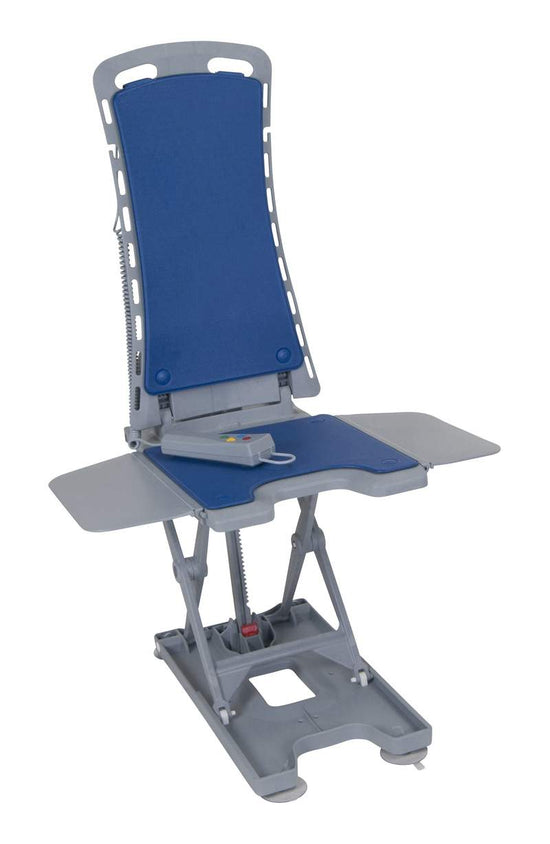


Future-proofing your home for changing mobility needs means creating a safe, comfortable, and adaptable living environment that supports independence as your physical abilities evolve. Simple improvements, such as reducing fall hazards, improving accessibility, and choosing supportive furniture, can make everyday activities easier. Combining these changes with appropriate movement-focused healthcare can also help you maintain comfort and function over time.
Your home should support your lifestyle, not make everyday movements more difficult. Whether you're planning for aging in place, recovering from an injury, or experiencing occasional stiffness and discomfort, preparing your living space for changing mobility needs can make a meaningful difference in your quality of life.
Mobility changes don't always happen suddenly. They may develop gradually as a result of aging, repetitive strain, joint discomfort, previous injuries, or other health conditions. Activities that once felt effortless, such as climbing stairs, reaching overhead, or getting out of a chair, may eventually require more effort.
At Align Chiropractic, we believe that staying active and maintaining comfortable movement are important parts of long-term wellness. While an accessible home can help reduce physical challenges, paying attention to your spinal health, posture, and everyday movement habits is another way to support your mobility.
Why Should You Plan Ahead for Changing Mobility Needs?
Preparing for changing mobility needs before challenges arise gives you more flexibility when making decisions about your home. Rather than waiting until a physical limitation makes certain activities difficult, you can gradually create an environment that accommodates your lifestyle today and in the future.
Many people associate home accessibility improvements with advanced age or significant physical disabilities. However, mobility needs can change at any stage of life. A sports injury, ongoing back discomfort, temporary recovery following surgery, or joint stiffness can influence how comfortably someone moves around their home.
Even everyday activities place demands on the body. Walking between rooms, bending to retrieve objects, carrying groceries, and moving between sitting and standing all require coordination, balance, and adequate physical function.
When your home is designed with these movements in mind, it can help reduce unnecessary strain and make daily routines more manageable.
Planning ahead also allows you to prioritize improvements according to your current needs and budget. Some changes, such as rearranging furniture or removing clutter, require little investment. Others, including bathroom renovations or accessibility improvements, may involve more extensive planning.
At the same time, it's important to recognize that adapting your environment and maintaining your physical mobility are complementary goals.
A supportive home can make movement easier, while appropriate healthcare, regular physical activity, and healthy movement habits can help preserve your ability to perform everyday tasks.
Taking a proactive approach gives you greater control over your living environment and helps support independence as your circumstances change.
What Home Modifications Can Improve Safety and Accessibility?
Making your home safer doesn't necessarily require a complete renovation. Many practical modifications can address common obstacles while helping accommodate changing mobility needs.
The goal is to create spaces that are easier to navigate, reduce unnecessary physical demands, and allow household members to move comfortably.
Consider these home improvements:
Improve lighting throughout your home. Bright, consistent lighting in hallways, staircases, bathrooms, and entryways can make obstacles easier to identify and reduce fall risks.
Remove common tripping hazards. Secure loose rugs, organize electrical cords, and keep walkways clear of unnecessary furniture or clutter.
Install bathroom safety features. Professionally installed grab bars, nonslip flooring, and accessible shower designs can provide additional stability when bathing or using the bathroom.
Consider stair accessibility. Secure handrails, adequate lighting, and contrasting stair-edge markings can make staircases easier to navigate. Depending on your circumstances, a stairlift or main-floor living arrangement may eventually be worth considering.
Choose accessible storage solutions. Keeping frequently used belongings between waist and shoulder height can reduce repetitive bending, overhead reaching, and unnecessary strain.
Evaluate doorways and walking spaces. Wider pathways and unobstructed entrances can improve accessibility for people using walkers, wheelchairs, or other mobility aids.
When selecting improvements, think about how you currently move through your home. Pay attention to areas where you feel unsteady, experience discomfort, or need additional support.
For more significant modifications, an occupational therapist or qualified accessibility specialist can help evaluate your environment and recommend appropriate solutions.
Remember that accessibility isn't only about accommodating limitations. It's also about making everyday activities more comfortable, convenient, and manageable for everyone in the household.
How Can Your Home's Layout Support Better Movement and Posture?
Your home's layout influences how you move throughout the day. Furniture placement, work surfaces, storage locations, and seating arrangements can affect your posture and the amount of physical effort required for routine activities.
An environment that encourages awkward reaching, repeated twisting, or prolonged uncomfortable positions may contribute to muscle fatigue and discomfort.
For example, a kitchen that requires frequent bending to access everyday items can place additional demands on the back and knees. Similarly, a poorly arranged workspace may encourage sustained neck flexion or unsupported sitting.
Thoughtful design can help reduce these challenges.
Start by observing how you use each room. Consider whether your furniture allows you to stand up comfortably, whether frequently used objects are within easy reach, and whether walkways provide enough space to move without constantly changing direction.
Seating is particularly important when planning for changing mobility needs. A chair that is too low or excessively soft may make standing more difficult, especially for someone experiencing knee discomfort or reduced leg strength.
Supportive chairs with stable armrests and appropriate seat heights may make transitions between sitting and standing easier.
Workspaces should also accommodate comfortable positioning. Adjustable chairs, properly positioned monitors, and convenient keyboard placement can help reduce unnecessary neck, shoulder, and back strain.
However, even a well-designed ergonomic environment cannot replace regular movement. Staying in one position for extended periods may contribute to stiffness regardless of how supportive your furniture is.
Changing positions, taking short walking breaks, and remaining physically active are important habits for long-term mobility.
At Align Chiropractic, our focus on spinal health and functional movement reflects the importance of addressing physical discomfort alongside everyday lifestyle factors.
By creating a home that supports natural movement, you can make daily activities less physically demanding while maintaining a more comfortable environment.
How Can You Maintain Physical Mobility as Your Needs Change?
Home modifications are valuable, but maintaining physical function is equally important when preparing for changing mobility needs.
Your ability to move comfortably depends on several factors, including muscle strength, joint flexibility, balance, coordination, and overall health.
Although physical abilities may change with age or certain medical conditions, regular activity can help many people preserve strength and independence.
The most effective approach is usually consistent, manageable movement rather than occasional periods of intense exercise.
Helpful habits may include:
Walk regularly. Walking provides a practical way to maintain general activity and support cardiovascular health. Choose distances and surfaces appropriate for your current abilities.
Practice gentle flexibility exercises. Comfortable stretching and mobility exercises may help maintain joint range of motion and reduce feelings of stiffness.
Build functional strength. Exercises that strengthen the legs, hips, and core can support everyday tasks such as standing, climbing stairs, and carrying household items.
Include balance activities. Appropriate balance training may improve stability and help reduce fall risk, particularly among older adults.
Pay attention to posture. Adjusting your positioning during work, household chores, and rest can help reduce prolonged strain.
Take regular movement breaks. Alternating between sitting, standing, and walking can help prevent the discomfort associated with remaining in one position for too long.
The right exercises depend on your physical condition, current fitness level, and any existing injuries or health concerns.
If you experience significant pain, dizziness, weakness, or balance difficulties, consult an appropriate healthcare professional before beginning a new exercise routine.
Physical therapists and other qualified clinicians can provide individualized exercise recommendations when specific mobility limitations are present.
Chiropractic care may also be considered for certain musculoskeletal concerns, particularly when back or neck discomfort affects everyday activities.
The objective is not to prevent every physical change that comes with aging. Instead, it's to maintain as much safe, comfortable movement and independence as possible through habits suited to your individual needs.
When Should You Consider Chiropractic Care for Mobility Concerns?
Changes in mobility sometimes involve more than the design of your home. Persistent back discomfort, neck stiffness, joint-related symptoms, or restricted spinal movement can make ordinary activities feel increasingly difficult.
When discomfort begins affecting how you sit, stand, walk, or complete household tasks, seeking a professional evaluation can help you better understand what may be contributing to the problem.
Chiropractic care focuses primarily on the musculoskeletal system, particularly the spine and related movement concerns.
Depending on the condition, chiropractic treatment may help manage certain types of back or neck pain and improve comfort during movement.
At Align Chiropractic, personalized care begins with understanding your concerns, evaluating relevant aspects of your physical function, and discussing appropriate options for your goals.
For individuals experiencing musculoskeletal discomfort, this may include assessing spinal movement, identifying activities that aggravate symptoms, and considering whether chiropractic treatment is appropriate.
It's important to recognize that chiropractic care does not replace home accessibility modifications, physical therapy, or medical treatment for underlying neurological or progressive mobility conditions.
Mobility problems involving unexplained weakness, frequent falls, worsening balance, or new numbness should be medically evaluated to identify their cause. Sudden weakness, loss of bladder or bowel control, or difficulty walking accompanied by acute neurological symptoms requires urgent medical attention.
For suitable patients, chiropractic care may be one component of a broader approach to managing musculoskeletal discomfort.
Combining appropriate treatment with regular physical activity, supportive home design, and healthy daily habits can provide a more comprehensive strategy for maintaining comfortable movement.
Ultimately, addressing your physical needs and your living environment together may help make everyday life more manageable.
How Can You Create a Long-Term Home Mobility Plan?
Future-proofing your home is an ongoing process rather than a single renovation project. Your mobility needs, lifestyle, and living arrangements may change over time, making it helpful to develop a flexible plan that can evolve with you.
Begin by considering which activities currently feel comfortable and which ones are becoming more challenging.
Perhaps you notice discomfort when standing for long periods, difficulty reaching certain cabinets, or hesitation when navigating stairs. These observations can help identify areas where practical adjustments may be beneficial.
Next, think about how your household might change over the coming years.
If your goal is to remain in your home as you age, you may want to explore whether essential living spaces can eventually be accessed without using stairs. Bedrooms, bathrooms, laundry areas, and kitchens are especially important when planning for long-term accessibility.
Budgeting for improvements over time can also make the process more manageable.
Instead of making every modification immediately, prioritize changes that address existing safety concerns. Larger improvements can be planned as your circumstances and financial resources allow.
It's also worthwhile to involve qualified professionals when necessary. Occupational therapists, physical therapists, accessibility specialists, and experienced contractors can provide valuable guidance depending on the type of modification you're considering.
Your physical wellness plan should receive similar attention.
Continue monitoring changes in comfort, strength, and mobility, particularly when familiar activities begin requiring more effort. Regular conversations with your healthcare providers can help you determine when additional evaluation or support may be appropriate.
At Align Chiropractic, we encourage a proactive approach to musculoskeletal wellness that considers how physical comfort and movement affect everyday life.
By maintaining a safe environment, staying appropriately active, and addressing movement-related concerns when they arise, you can prepare for changing mobility needs without giving up the activities that matter most.
The goal is to create a home and lifestyle that continue supporting your independence, comfort, and well-being.
Frequently Asked Questions
What is the best way to prepare a home for changing mobility needs?
Start by improving safety and accessibility through better lighting, clear walkways, supportive seating, and appropriate bathroom features. An occupational therapist or accessibility specialist can help identify additional modifications based on your individual needs.
Can chiropractic care help with mobility problems?
Chiropractic care may help some people manage musculoskeletal discomfort, particularly certain types of back or neck pain that affect movement. However, mobility problems caused by neurological conditions, significant weakness, or balance disorders require appropriate medical assessment and may benefit from other treatments.
When should I start making mobility-friendly changes to my home?
It's helpful to begin before major mobility challenges develop, especially if you plan to remain in your home long term. Making gradual improvements allows you to address existing safety concerns while preparing for possible future changes.
Prepare Your Home for Changing Mobility Needs with Everything Medical
Creating a safer, more accessible home starts with having the right equipment and support. Whether you're planning for aging in place, recovering from an injury, or adapting to changing mobility needs, the right home medical equipment can make everyday activities more comfortable and manageable.
At Everything Medical, we understand how important it is to maintain independence and confidence at home. As a provider of home medical equipment and supplies in Redding, California, we help individuals and caregivers explore practical solutions that support mobility, safety, and daily living.
From mobility aids and bathroom safety equipment to other essential home medical supplies, our team is here to help you find solutions that fit your needs and lifestyle.
Contact Everything Medical today to learn more about our home medical equipment and supplies in Redding, California, and discover how we can help you create a safer, more comfortable living environment.
