

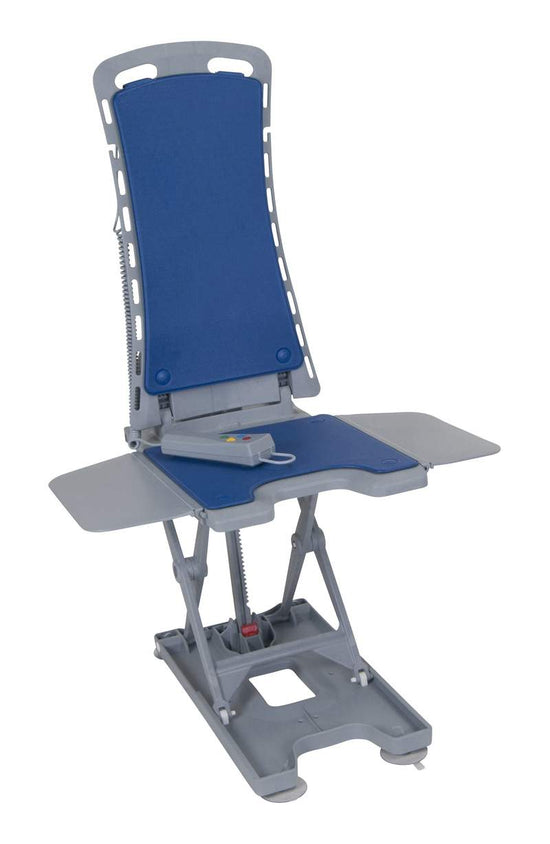


Living with arthritis, joint pain, or limited mobility at home can make everyday activities more challenging, but the right support can help individuals maintain comfort, safety, and independence. By combining appropriate mobility aids, accessible home modifications, and supportive medical equipment, people experiencing physical limitations can create a living environment that better accommodates their needs.
Arthritis and joint discomfort can affect everything from getting out of bed to preparing meals, walking through the house, or enjoying favorite activities. For older adults, individuals recovering from injuries, and those managing chronic mobility challenges, these difficulties can gradually change how they experience their own homes.
Fortunately, maintaining independence does not always require extensive renovations or major lifestyle changes. Thoughtful adjustments, proper medical equipment, and an understanding of individual mobility needs can make daily routines easier to manage. With the right approach, individuals and caregivers can create safer, more comfortable spaces that support continued independence and quality of life.
How Does Arthritis Affect Mobility and Everyday Activities at Home?
Arthritis is a common condition that affects the joints, often causing pain, stiffness, swelling, and reduced range of motion. Depending on the type and severity, arthritis may affect the hands, knees, hips, spine, or other areas responsible for everyday movement. These symptoms can make previously simple activities increasingly difficult.
For someone experiencing limited mobility at home, routine tasks such as standing from a seated position, climbing stairs, bending down, or carrying household items may require additional effort. Morning stiffness can make getting out of bed particularly uncomfortable, while joint fatigue may become more noticeable after extended periods of activity.
The effects of arthritis can extend beyond physical discomfort. When moving around becomes difficult, individuals may begin avoiding certain activities because they are concerned about pain, fatigue, or falling. Over time, this hesitation can contribute to reduced physical activity, decreased confidence, and greater dependence on family members or caregivers.
Understanding how arthritis influences everyday movement is an important first step toward finding appropriate support. For example, someone with painful knee joints may struggle with low seating, while an individual with arthritis in their hands may have difficulty gripping bathroom fixtures or using traditional walking aids.
Because arthritis affects everyone differently, effective support should reflect individual symptoms, strength, balance, and daily routines. A healthcare professional can help identify mobility limitations, recommend appropriate treatments, and determine whether assistive equipment may be beneficial.
The goal is not simply to reduce physical challenges but to make everyday activities feel more manageable. Recognizing difficulties early allows individuals and families to introduce practical solutions before small obstacles become significant barriers to independence.
What Mobility Aids Can Help People Living With Arthritis and Joint Pain?
Mobility aids can provide valuable support for people experiencing joint discomfort, muscle weakness, balance difficulties, or reduced endurance. The right equipment may help distribute weight more comfortably, improve stability, and reduce the physical effort required to move throughout the home.
Choosing mobility equipment depends on several factors, including the joints affected, walking ability, upper-body strength, and the layout of the living environment. Individuals with mild limitations may need occasional support, while those with more significant mobility challenges may benefit from equipment designed for longer periods of use.
Common mobility aids that can support limited mobility at home include:
Canes: Provide additional stability for individuals with mild walking difficulties or discomfort affecting one side of the body. Proper sizing and use are essential for effective support.
Walkers: Offer a broader base of support for individuals who need greater stability when walking or standing.
Rollators: Feature wheels and often include a built-in seat, allowing users to take breaks during daily activities. They are generally best suited for individuals who can safely control a wheeled walking aid.
Manual wheelchairs: Help individuals conserve energy or navigate their surroundings when walking becomes difficult or uncomfortable.
Power wheelchairs: Provide powered mobility for individuals who have difficulty walking or propelling a manual wheelchair and can safely operate the equipment.
Although these products serve different purposes, each can help address specific mobility limitations when properly selected.
For example, a walker may provide dependable support while moving between rooms, while a wheelchair can make longer periods of activity more manageable for someone who experiences significant joint pain or fatigue.
Proper fit is especially important. Equipment that is too tall, too short, or unsuitable for an individual's physical abilities can create additional strain rather than relieve it.
Working with a healthcare professional and a knowledgeable medical equipment provider can help individuals identify solutions that match their mobility requirements. At Everything Medical, customers can explore a variety of mobility equipment designed to support safer movement, everyday comfort, and greater independence.
How Can You Make Your Home Safer and More Accessible With Limited Mobility?
Creating a safer home environment is an important part of managing arthritis and reduced mobility. Even familiar living spaces can present challenges when joint stiffness, weakness, or balance difficulties affect how someone moves.
Common household features such as slippery floors, narrow pathways, low furniture, and poorly positioned bathroom fixtures can make everyday activities more difficult. Addressing these obstacles can help reduce fall risks and make the home easier to navigate.
An accessible living environment should allow individuals to move comfortably between frequently used areas, including bedrooms, bathrooms, kitchens, and living spaces.
Practical home safety improvements include:
Keep pathways clear: Remove loose rugs, unnecessary furniture, electrical cords, and other obstacles that create tripping hazards.
Improve household lighting: Install adequate lighting in hallways, stairways, bathrooms, and bedrooms to improve visibility.
Add bathroom safety equipment: Consider properly installed grab bars, shower chairs, transfer benches, and raised toilet seats to make personal care activities easier.
Choose supportive seating: Select stable chairs with appropriate seat heights and armrests to reduce the effort required when sitting or standing.
Organize frequently used items: Keep medications, clothing, kitchen supplies, and personal necessities within comfortable reach.
Evaluate entrances and transitions: Consider appropriate ramps or threshold modifications where steps and uneven surfaces make access difficult.
These improvements can be especially valuable for individuals experiencing limited mobility at home because they reduce the number of physical obstacles encountered throughout the day.
Bathroom safety deserves particular attention. Wet surfaces, confined spaces, and the need to transfer between sitting and standing positions can increase the risk of falls. Appropriate bathroom equipment can provide additional stability and support when used correctly.
It is also important to consider the individual's changing mobility needs. An arrangement that works well today may need adjustments as symptoms or physical abilities change.
A healthcare professional or occupational therapist can help evaluate potential hazards and recommend modifications based on personal needs. Combining accessible home design with appropriately selected medical equipment creates an environment that supports both physical safety and everyday independence.
Can Lift Chairs and Supportive Furniture Make Daily Living Easier?
Furniture plays an important role in daily comfort, especially for people living with arthritis, chronic joint discomfort, or reduced lower-body strength. Sitting down and standing up are movements that many people perform repeatedly throughout the day, often without considering the physical effort involved.
For individuals with painful knees, hips, or lower-back joints, these movements can become uncomfortable and sometimes difficult to perform independently. Furniture that is too low, too soft, or poorly supportive may increase the effort needed to change positions.
Power lift recliners are one option that can help address these challenges. These chairs use a powered lifting mechanism to gradually raise and tilt the seat forward, assisting users as they transition toward a standing position. Many models also offer adjustable reclining positions that allow individuals to find a comfortable seated posture.
For someone experiencing limited mobility at home, a properly selected lift chair may reduce the physical effort associated with getting up from a seated position. It can also provide a more convenient seating option for reading, watching television, or relaxing.
However, lift chairs are not appropriate for every individual. Users must still be able to maintain balance and complete the standing movement safely. A healthcare professional can help determine whether this equipment is suitable.
Other supportive furniture and equipment may include adjustable beds, pressure-relieving cushions, and properly fitted seating with stable armrests.
For individuals who spend extended periods resting, positioning and pressure management are important considerations. Supportive cushions and adjustable equipment may improve comfort, but people at risk of pressure injuries may require a specific repositioning and support plan developed with a healthcare professional.
Ultimately, selecting furniture should involve more than appearance or personal preference. Seat height, stability, positioning, available space, and ease of use all influence whether a product supports everyday mobility.
Everything Medical offers equipment such as power lift recliners, hospital beds, and seating-related products that can help individuals explore practical options for a more accessible home.
How Can Gentle Movement and Daily Routines Support Joint Comfort?
Although arthritis and joint pain may make movement uncomfortable, remaining physically active within safe limits is often an important part of maintaining joint function and overall mobility. Appropriate activity can support muscle strength, flexibility, balance, and endurance, all of which contribute to everyday independence.
When discomfort becomes persistent, some individuals begin limiting physical activity to avoid aggravating their symptoms. While rest may be necessary during periods of increased pain or inflammation, prolonged inactivity can contribute to muscle weakness and additional stiffness.
Gentle, low-impact activities may help people maintain movement without placing unnecessary stress on sensitive joints. Depending on individual abilities, these activities might include short walks, seated exercises, gentle stretching, or range-of-motion movements recommended by a physical therapist.
A consistent daily routine can also make physical activities more manageable. For example, someone experiencing morning joint stiffness may benefit from allowing extra time before beginning demanding activities. Warm showers or other clinician-approved comfort measures may help relieve stiffness before movement.
Balancing activity with adequate rest is equally important. Individuals managing limited mobility at home may find it helpful to divide household tasks into shorter sessions rather than completing everything at once.
Energy conservation techniques, such as sitting while preparing meals or organizing supplies before starting an activity, can reduce unnecessary physical exertion.
It is important to recognize that pain levels, physical capabilities, and exercise tolerances vary widely. A movement routine should be developed with guidance from an appropriate healthcare professional, particularly when arthritis is severe or other medical conditions are present.
New or worsening joint swelling, significant pain, or sudden changes in mobility should be medically evaluated rather than managed through exercise alone.
By combining appropriate movement, supportive equipment, and realistic daily routines, individuals can work toward maintaining physical function while reducing unnecessary strain during everyday activities.
When Should You Consider Additional Medical Equipment or Caregiver Support?
Mobility needs can change gradually, making it difficult to recognize when additional assistance may be beneficial. Someone who previously moved comfortably around the house may begin needing more time to complete daily activities, experiencing increased fatigue, or relying more frequently on furniture for support.
These changes do not necessarily mean that an individual must give up independence. Instead, they may indicate that the current home environment or available mobility equipment no longer provides sufficient support.
Recognizing these signs early can help individuals and families make thoughtful decisions about future needs. A healthcare professional can evaluate whether changes are related to arthritis progression, medication effects, muscle weakness, balance difficulties, or another medical concern.
Additional medical equipment may become helpful when someone experiences repeated difficulty standing, walking safely, transferring between surfaces, or completing personal care activities.
For example, a person who struggles to enter and exit the bathtub may benefit from a properly fitted transfer bench. Someone who has difficulty walking longer distances may need a different mobility aid, while an individual recovering from surgery may temporarily require specialized equipment.
Caregiver support can also be valuable when daily tasks become physically demanding or unsafe. Family members may assist with household activities, transportation, medication organization, and other responsibilities, but they should receive appropriate guidance before attempting physical transfers or lifting.
Equipment such as patient lifts and adjustable hospital beds may support certain care routines when recommended and used with proper training.
At the same time, preserving personal choice remains essential. Individuals should be included in decisions about their equipment and daily routines whenever possible, ensuring that support reflects their preferences and abilities.
Everything Medical helps customers explore home medical equipment, including walkers, wheelchairs, bathroom safety products, hospital beds, and other mobility solutions. Finding appropriate equipment can make a meaningful difference for both individuals and the caregivers supporting them.
The most effective approach focuses on safety, comfort, and independence while adapting to changing needs over time.
Frequently Asked Questions
What is the best mobility aid for someone with arthritis?
The best mobility aid depends on the affected joints, walking ability, balance, strength, and individual needs. Canes, walkers, rollators, and wheelchairs may provide different levels of support, and a healthcare professional can help determine the safest option.
How can I help a family member with limited mobility at home?
Start by improving home accessibility, removing common tripping hazards, and ensuring frequently used items are easy to reach. Appropriate mobility aids, bathroom safety equipment, and professional guidance can help support daily activities while preserving independence.
Can home medical equipment help reduce the challenges of arthritis?
Home medical equipment can make certain everyday activities safer and easier by providing stability, assistance with movement, or supportive positioning. Although these products do not treat arthritis itself, properly selected equipment can help individuals manage mobility-related challenges and maintain greater independence.
Find the Right Home Medical Equipment and Supplies at Everything Medical
Managing arthritis, joint pain, or limited mobility at home becomes easier when you have the right equipment and support. Whether you need a walker, wheelchair, lift chair, bathroom safety products, or other home medical supplies, finding solutions that fit your everyday needs can help improve comfort, safety, and independence.
At Everything Medical, we understand how important it is to feel confident and comfortable in your own home. As a trusted provider of Home Medical Equipment and Supplies in Redding, California, we help individuals, seniors, and caregivers find practical mobility solutions that support everyday living.
Visit Everything Medical in Redding, California, or contact our team today to explore our selection of home medical equipment and supplies. Let us help you find the right products to make daily activities safer, easier, and more comfortable.
