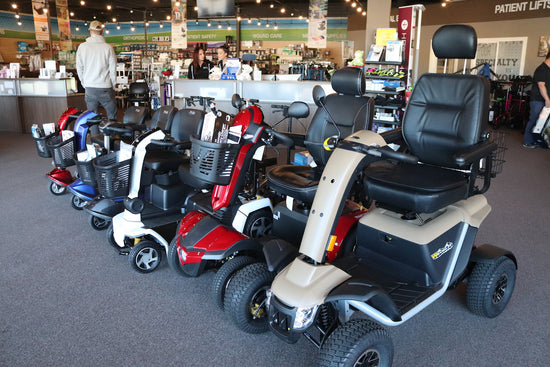

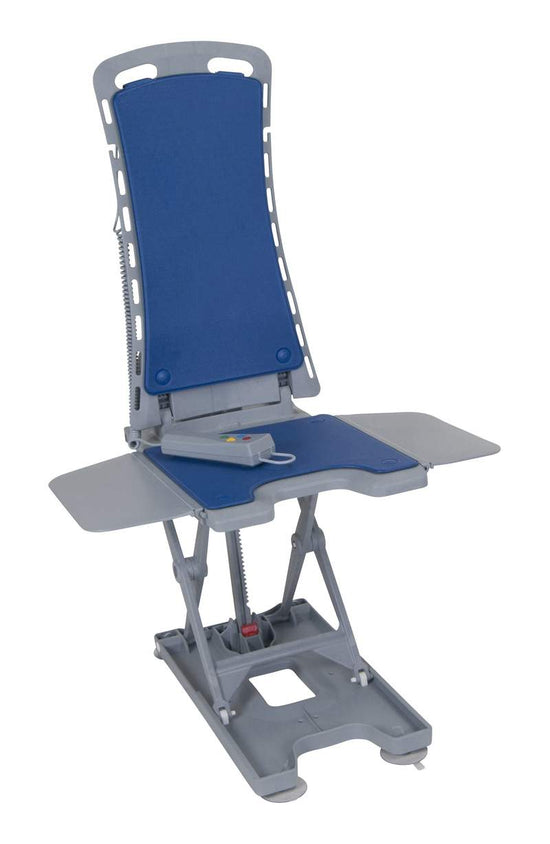


Recovering safely after surgery often requires more than medication and rest. The right medical equipment can improve mobility, reduce fall risks, make everyday activities easier, and help patients follow their surgeon’s recovery instructions more comfortably at home.
Leaving the hospital is an important milestone, but it does not always mean recovery is complete. Many patients continue to experience weakness, limited movement, discomfort, balance problems, or difficulty completing routine activities once they return home. Tasks such as getting out of bed, walking to the bathroom, taking a shower, or sitting down safely may require more effort than expected.
Preparing the home with appropriate medical equipment can make this transition safer and less stressful. Depending on the type of surgery, a patient may benefit from mobility aids, bathroom safety products, supportive seating, adjustable beds, or equipment that assists caregivers with transfers and daily care.
The best equipment will depend on the procedure, the patient’s strength and mobility, the layout of the home, and the recommendations provided by the healthcare team. A person recovering from knee surgery may have different needs from someone recovering from abdominal, spinal, cardiac, or hip surgery.
Medical equipment should support the recovery plan rather than replace professional medical care. Patients and caregivers should follow all discharge instructions and confirm with a surgeon, physical therapist, occupational therapist, or other qualified provider when they are uncertain about which products are appropriate.
With thoughtful preparation, the home can become a safer and more supportive environment for healing.
What Medical Equipment May Be Needed After Surgery?
The medical equipment needed after surgery depends on how the procedure affects movement, balance, strength, and the ability to complete daily activities. Some patients may require only a cane or shower chair for a short period. Others may need a more complete home-care setup involving a walker, wheelchair, bedside commode, adjustable bed, or patient transfer equipment.
Before purchasing anything, review the discharge paperwork and ask the healthcare team whether the patient will have restrictions on walking, bending, lifting, climbing stairs, or placing weight on the affected area. These instructions can help determine which products will offer meaningful support.
Common categories of post-surgical equipment include:
Mobility aids, such as canes, crutches, walkers, rollators, knee walkers, transport chairs, and wheelchairs
Bathroom safety products, including shower chairs, transfer benches, grab bars, raised toilet seats, toilet safety frames, and bedside commodes
Bedroom equipment, such as hospital beds, bed rails, support surfaces, overbed tables, and positioning cushions
Transfer equipment, including patient lifts, transfer aids, lift slings, and trapeze bars
Supportive seating, such as lift recliners, hip chairs, seat cushions, and positioning supports
Daily living aids, including reachers, dressing aids, and other tools that reduce bending or stretching
Not every patient will need every category. In fact, too much equipment can create clutter and make walking paths more difficult to navigate. The goal is to select medical equipment that addresses specific limitations while keeping the home organized and accessible.
Whenever possible, prepare the equipment before the day of discharge. This gives family members time to assemble products, adjust them correctly, clear pathways, and make sure the patient knows how to use them.
How Do Mobility Aids Support Safe Movement During Recovery?
Walking after surgery may be difficult because of pain, weakness, dizziness, reduced balance, or temporary restrictions on weight-bearing. Mobility aids can provide stability and help patients move around the home without placing unnecessary strain on the surgical area.
A cane may be appropriate for someone who needs light balance support. Crutches are often used when a patient must limit or avoid weight on one leg. Walkers provide a wider base of support and may be more suitable for patients who feel unsteady or need help distributing their weight. Rollators include wheels and often a seat, but they may not be appropriate for every post-surgical patient because they require adequate balance and control.
Knee walkers can support some people recovering from foot or ankle procedures, provided their healthcare professional has approved their use. A transport chair or wheelchair may be helpful when the patient cannot safely walk longer distances, becomes tired quickly, or needs assistance getting to medical appointments.
Correct sizing is essential. A mobility aid that is too tall, too short, too wide, or poorly adjusted can encourage unsafe posture and may increase the risk of losing balance. Patients should also receive instructions on how to stand, turn, sit, and navigate thresholds or stairs while using the device.
The home environment matters as much as the equipment itself. Loose rugs, electrical cords, narrow furniture arrangements, and poorly lit hallways can create hazards. Clear walking routes before the patient returns home and keep frequently used items within easy reach.
Medical equipment should help patients follow their prescribed activity plan. It should not encourage them to walk farther, bear more weight, or move more quickly than their surgeon or therapist has recommended.
Which Bathroom Safety Products Are Most Helpful After Surgery?
Bathrooms can be especially challenging during recovery because they combine hard surfaces, limited space, water, and movements that require bending, lowering, standing, and turning. Even patients who normally move independently may have difficulty using the toilet or shower safely after surgery.
A shower chair or bath bench allows the patient to remain seated while bathing, reducing fatigue and the need to balance on a wet surface. A transfer bench may be useful when stepping over the side of a bathtub is difficult or prohibited. It allows the patient to sit before moving across the edge of the tub.
Raised toilet seats reduce the distance a person must lower and lift the body. This can be particularly helpful after hip, knee, abdominal, or back surgery. Toilet safety frames and securely installed grab bars can provide stable hand support when sitting or standing. A bedside commode may be appropriate when the bathroom is too far from the recovery area or when nighttime walking is unsafe.
Additional bathroom safety measures include:
Place a nonslip mat or approved nonslip surface in the bathing area.
Keep soap, shampoo, towels, and other necessities within easy reach.
Use a handheld shower spray when standing or twisting is difficult.
Confirm that grab bars are designed and installed for weight-bearing support.
Keep the floor dry and remove loose bath rugs that could slide.
Follow all instructions about keeping the incision, dressing, cast, or brace dry.
Bathroom medical equipment should match the patient’s size, strength, and transfer ability. Weight capacity, seat height, arm support, and available floor space should all be considered. A physical or occupational therapist can help determine which setup is safest, particularly when the patient has strict movement precautions.
When Is a Hospital Bed or Lift Recliner Helpful at Home?
A standard bed may become difficult to use after surgery if it is too low, too high, too soft, or positioned in an inconvenient part of the home. Some patients struggle to lie flat, change positions, raise their legs, or move from lying to sitting without assistance. In these situations, a hospital bed or supportive lift recliner may make recovery more manageable.
An adjustable hospital bed allows the head, upper body, or legs to be repositioned. This can help patients follow positioning instructions, receive caregiver assistance, and enter or exit the bed with less physical effort. Depending on the patient’s condition, the bed may also be paired with appropriate rails, support surfaces, pressure-management products, or an overbed table.
A lift recliner uses a powered mechanism to raise the chair and support the user while transitioning toward a standing position. It may be useful for patients who have difficulty rising from low seating because of weakness, pain, or movement restrictions. However, patients still need sufficient balance and control to stand safely once the chair has lifted them.
Neither option is automatically necessary after every operation. A lift recliner should not become a substitute for prescribed walking or rehabilitation exercises, and sleeping in a recliner should be discussed with the healthcare team when specific positioning or circulation concerns apply.
Placement is also important. The recovery bed or chair should be located near a clear walking route, adequate lighting, charging outlets, and essential supplies. Patients should not have to navigate clutter or stairs repeatedly to reach the bathroom.
When choosing larger medical equipment, consider room dimensions, doorway width, delivery access, weight capacity, adjustability, and who will assist the patient. Preparing these details in advance can prevent delays and create a more functional recovery space.
How Can Medical Equipment Make Daily Activities Easier?
Surgery can temporarily make ordinary movements difficult. Reaching the floor, pulling on clothing, preparing food, carrying items, or moving between a bed and chair may become uncomfortable or unsafe. Medical equipment designed for daily living can reduce unnecessary bending, twisting, lifting, and stretching.
A reacher can help retrieve lightweight objects from the floor or a shelf without requiring the patient to bend deeply. Dressing aids may help with socks, shoes, or clothing when movement is restricted. An overbed table can provide a stable surface for meals, medication schedules, reading materials, or personal items. Support cushions may improve positioning in a chair or wheelchair when recommended for the patient.
Caregiver needs should also be considered. When a patient cannot transfer independently, attempting to lift the person without proper equipment or instruction can injure both the patient and the caregiver. Transfer aids, patient lifts, slings, and trapeze bars may be appropriate in certain situations, but they must be selected and used correctly.
Equipment works best when the most frequently used items are organized around the recovery area. Water, approved medications, a phone, charging cables, tissues, discharge instructions, and personal care supplies should be accessible without requiring risky movements.
At the same time, maintaining appropriate independence can support confidence and participation in recovery. Medical equipment should help the patient complete approved activities safely rather than encouraging unnecessary dependence. For example, a reacher can allow someone to retrieve an item without help, while a properly positioned chair can make standing more manageable.
Patients should follow the activity restrictions provided by their healthcare team. A device that makes a movement possible does not necessarily mean that the movement is medically appropriate. When equipment use causes new pain, dizziness, shortness of breath, or instability, stop and seek guidance from the appropriate healthcare professional.
How Should You Choose and Purchase Medical Equipment for Home Recovery?
Choosing post-surgical equipment begins with the patient’s discharge plan. Ask the surgeon, nurse, physical therapist, or occupational therapist what limitations are expected and which devices are recommended. Useful questions include whether the patient can bear weight, climb stairs, use a standard toilet, step into a bathtub, sleep flat, or transfer without assistance.
Next, evaluate the home. Measure doorways, hallways, bathroom spaces, bed height, chair height, and the distance between the recovery area and the bathroom. Product measurements should be reviewed carefully, especially when purchasing wheelchairs, walkers, commodes, transfer benches, hospital beds, or lift recliners.
Quality and fit are more important than simply choosing the least expensive product. Consider the equipment’s weight capacity, adjustability, stability, materials, maintenance requirements, and ease of use. Larger products may also require assembly, delivery coordination, or help moving them into place.
Everything Medical offers a range of home-care products, including mobility aids, wheelchairs, hospital beds, lift recliners, bathroom safety equipment, patient lifts, and daily living aids. Readers preparing a post-surgical recovery space can shop medical equipment from Everything Medical and compare options based on their healthcare provider’s recommendations.
Before ordering, confirm that the product is suitable for the intended user and recovery plan. Review dimensions and policies carefully, and contact the retailer when additional product guidance is needed. Medical equipment should be ready, correctly adjusted, and placed safely before the patient begins relying on it.
Frequently Asked Questions
What is the most important medical equipment to have after surgery?
The most important equipment depends on the operation and the patient’s mobility restrictions. A healthcare provider may recommend a walker, shower chair, raised toilet seat, hospital bed, or another device based on the recovery plan.
Should medical equipment be purchased before surgery?
Whenever the need can be anticipated, arranging equipment before surgery can make the return home easier. It also gives caregivers time to assemble, adjust, and position each item safely.
Can patients choose their own mobility aid after surgery?
A patient should not select a mobility aid based only on preference. The surgeon or physical therapist should confirm the appropriate type, size, and method of use, especially when weight-bearing restrictions apply.
Prepare for a safer, more comfortable recovery at home with dependable products from Everything Medical. As a trusted provider of home medical equipment and supplies in Redding, California, Everything Medical offers mobility aids, bathroom safety products, hospital beds, lift recliners, wheelchairs, daily living aids, and other recovery essentials.
Explore the available medical equipment and find products that support your post-surgery needs. Shop Everything Medical today and create a home recovery space designed for greater safety, comfort, and independence.
