


The right equipment can support emotional well-being by helping people feel safer, more independent, and more confident in their daily lives. For people who rely on medical equipment, having tools that fit their needs can reduce stress, restore dignity, and make home care feel more manageable.
Living with medical equipment is not only a physical adjustment. It can also affect a person’s confidence, mood, independence, and sense of control. Whether someone uses a wheelchair, walker, hospital bed, lift chair, commode, scooter, or other home care support, the quality and fit of that equipment can shape how they feel throughout the day.
For people with medical equipment, comfort and safety are closely connected to emotional well-being. When equipment is difficult to use, uncomfortable, or poorly suited to a person’s condition, it can create frustration, fear, embarrassment, or dependence on others. But when the right equipment is chosen carefully, it can help people move more freely, rest more comfortably, and participate more fully in daily life.
This is especially important for individuals managing aging, recovery, disability, chronic illness, or limited mobility. The right support can make routine activities feel less overwhelming and help people feel more like themselves again.
How Does the Right Equipment Improve Daily Independence?
Independence is one of the most important parts of emotional well-being. When people feel they can complete daily tasks with less help, they often feel more confident, capable, and in control. The right equipment can make a major difference by supporting movement, transfers, bathing, resting, and other everyday activities that may otherwise feel difficult or unsafe.
For someone using medical equipment, independence does not always mean doing everything alone. It often means being able to participate more actively in personal care, home routines, and decisions about daily life. A properly fitted walker may help someone move from room to room with more stability. A lift chair may make standing up less stressful. A hospital bed may allow a person to adjust their position more comfortably without constantly asking for help.
This sense of control can have a strong emotional impact. People may feel less like a burden and more involved in their own care. They may also feel more comfortable asking for help when they need it because they are not dependent for every small task.
The wrong equipment, however, can have the opposite effect. If it is too heavy, too low, too narrow, uncomfortable, or hard to operate, it may increase frustration and dependence. Choosing the right equipment helps create a home environment where daily routines feel more achievable, respectful, and empowering.
Why Does Medical Equipment Affect Emotional Well-Being?
Medical equipment becomes part of a person’s daily environment. Because of that, it can influence how someone feels physically and emotionally. Equipment that supports comfort, safety, and independence can make a person feel more secure. Equipment that feels awkward, unreliable, or uncomfortable can create stress, discouragement, and anxiety.
Emotional well-being is closely connected to how people experience their daily routines. If getting out of bed, moving to the bathroom, or sitting comfortably becomes a struggle, a person may begin to feel frustrated or limited. Over time, these feelings can affect motivation, confidence, and social engagement. The right equipment helps reduce unnecessary barriers so people can focus more on living and less on struggling through basic tasks.
Medical equipment can also affect identity. Some people feel self-conscious when they first begin using a walker, wheelchair, scooter, or other support device. But when the equipment is reliable, comfortable, and suited to their lifestyle, it can become a tool for freedom rather than a symbol of limitation.
Good equipment does more than solve a practical problem. It can help restore dignity, ease worry, and support a better sense of normalcy. When people feel safe, supported, and able to participate in daily life, their emotional outlook often improves.
How Can the Right Equipment Reduce Fear and Anxiety at Home?
Fear is common for people who have mobility limitations, balance problems, weakness, pain, or a history of falls. Many people worry about slipping in the bathroom, getting stuck in a chair, falling while walking, or being unable to call for help. The right equipment can reduce these fears by making the home feel safer and more predictable.
Supportive equipment helps remove uncertainty from daily routines. For example, a stable walker can make walking less intimidating. A shower chair can make bathing feel safer. A bedside commode can reduce the stress of reaching the bathroom at night. A hospital bed can make positioning and transfers easier. These tools can help people feel more secure in their own homes.
Helpful equipment may support emotional well-being by:
-
Reducing fear of falls or injuries
-
Making daily routines feel more manageable
-
Supporting safer movement around the home
-
Helping users feel less dependent on others
-
Giving caregivers greater confidence during care
Anxiety often increases when people feel unprepared or unsafe. When equipment is matched to a person’s needs, it can create a stronger sense of control. That control matters emotionally. It allows people to relax more, sleep better, and approach daily activities with less fear.
The goal is not only to prevent accidents. It is also to help people feel comfortable living in their own space. A safer environment can bring peace of mind to both the person using the equipment and the family members or caregivers supporting them.
What Role Does Comfort Play in Emotional Health?
Comfort is often underestimated when choosing medical equipment, but it plays a major role in emotional well-being. When someone spends long periods sitting, resting, sleeping, or recovering, discomfort can quickly affect mood, patience, and energy. The right equipment helps reduce physical strain, which can make daily life feel calmer and more manageable.
A person who is uncomfortable may become irritable, tired, withdrawn, or discouraged. Poor seating support can lead to restlessness. A bed that does not adjust well may make sleep difficult. A wheelchair that does not fit properly may create pressure, fatigue, or frustration. These physical issues can build emotional stress over time.
Comfortable equipment supports the body in a way that helps the person feel cared for and respected. A properly selected cushion, chair, bed, or mobility aid can make it easier to sit with family, enjoy meals, watch television, read, rest, or take part in daily routines. These ordinary moments matter because they help people feel connected to normal life.
Comfort also affects confidence. When equipment feels stable, supportive, and easy to use, people are more likely to use it consistently. This can support better routines and reduce the emotional burden of constantly adapting to discomfort.
Choosing comfort is not about luxury. It is about quality of life. When the body feels better supported, the mind often feels more at ease.
How Does Mobility Equipment Support Confidence?
Mobility challenges can affect more than movement. They can affect confidence, social interaction, and the willingness to leave home or participate in daily activities. The right equipment can help people regain trust in their ability to move safely and comfortably.
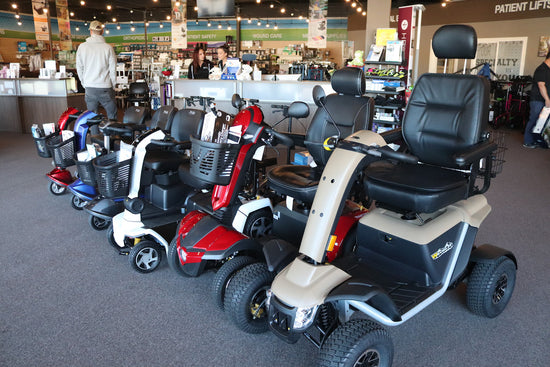
Mobility equipment may include walkers, rollators, wheelchairs, scooters, canes, and power chairs. Each option supports different needs. A person who can walk but needs balance support may benefit from a walker or rollator. Someone with limited endurance may feel more confident using a wheelchair or scooter for longer distances. The right choice depends on strength, balance, lifestyle, home layout, and daily goals.
Mobility confidence often grows when equipment is:
-
Properly sized for the user
-
Easy to maneuver in the home
-
Comfortable for regular use
-
Stable and dependable
-
Appropriate for the person’s activity level
When people trust their equipment, they may feel more willing to move around the house, visit loved ones, attend appointments, or enjoy time outside. This can reduce isolation and support a more positive emotional outlook.
Confidence is not only about physical ability. It is about feeling prepared. When someone knows they have the right support, they can approach daily movement with less hesitation and more independence. That confidence can help restore a sense of freedom.
Why Is Safety Equipment Important for Peace of Mind?
Safety equipment helps people and caregivers feel more secure during daily care. For individuals with medical equipment, peace of mind often comes from knowing that the home is set up to reduce risk and support safe movement. The right equipment can make everyday tasks less stressful and help prevent avoidable accidents.
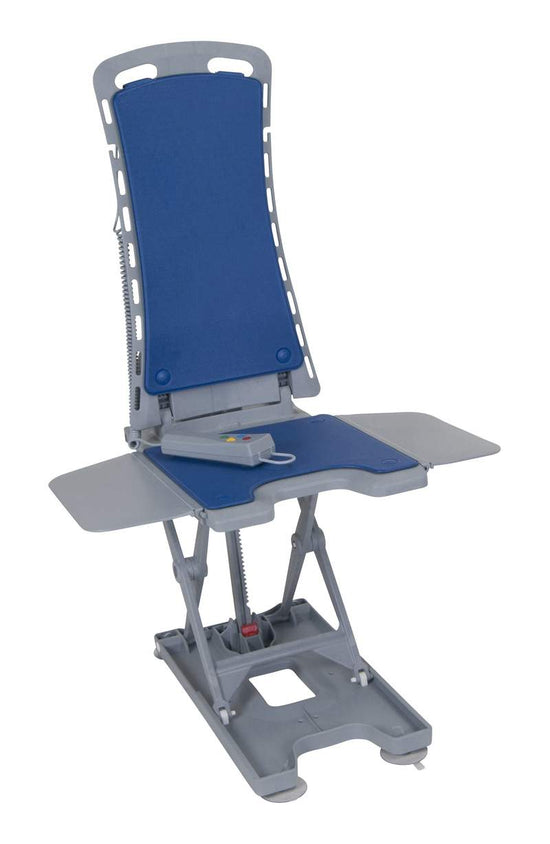
Home safety needs vary from person to person. Some people need bathroom supports, such as shower chairs, raised toilet seats, or commodes. Others may need transfer aids, bed rails, lift chairs, or patient lifts. These tools are especially important when weakness, pain, balance concerns, or limited mobility make routine movements difficult.
Safety equipment can also support emotional well-being by reducing constant worry. A person who feels unsafe may avoid moving, bathing, or participating in normal routines. This can lead to isolation, dependence, and frustration. When the right supports are in place, daily life can feel less overwhelming.
Caregivers also benefit emotionally. Without proper equipment, caregiving can feel physically demanding and stressful. Safe, supportive tools can make transfers, positioning, and daily assistance easier. This can reduce caregiver strain and create a calmer care environment.
Peace of mind matters. When people feel protected in their home, they are more likely to rest, move, and engage with confidence. The right safety equipment supports not only the body, but also the emotional comfort of everyone involved in care.
FAQ
How does the right equipment improve emotional well-being?
The right equipment helps people feel safer, more independent, and more comfortable during daily routines. This can reduce stress, build confidence, and support a better sense of control.
What happens if medical equipment does not fit a person’s needs?
Poorly matched equipment can cause frustration, discomfort, safety concerns, and greater dependence on others. It may also make daily activities feel harder than they need to be.
Can medical equipment help caregivers feel less stressed?
Yes. The right equipment can make caregiving tasks safer and easier, especially with transfers, mobility, bathing, and positioning. This can reduce physical strain and give caregivers more peace of mind.
Support your comfort, safety, and independence with trusted home medical equipment and supplies from Everything Medical. If you are looking for the right equipment in Redding, California, Everything Medical can help you find practical solutions that support both physical needs and emotional well-being.
