

It may be time to upgrade your loved one’s medical equipment if it no longer supports their safety, comfort, mobility, or care needs. Caregivers should watch for warning signs such as frequent repairs, poor fit, increased fall risk, discomfort, or changes in health that require more supportive home care solutions.
Caring for a loved one at home often means relying on the right medical equipment every day. From wheelchairs and walkers to hospital beds, lift chairs, patient lifts, and bathroom safety products, dependable equipment can make daily routines safer, easier, and more comfortable for both the caregiver and the person receiving care.
For caregivers, knowing when to replace or upgrade medical equipment is not always obvious. A device may still “work,” but that does not always mean it is still safe, supportive, or appropriate for your loved one’s current needs. Everything Medical offers home care medical supplies and equipment, including mobility aids, hospital beds, lift recliners, rollators, wheelchairs, walkers, and related products for home care needs.
Upgrading at the right time can help reduce injury risk, improve independence, support better positioning, and make caregiving tasks less physically demanding. The key is learning to recognize the signs that older equipment is no longer the best fit.
How Do You Know When Medical Equipment Is No Longer Safe to Use?
Safety is the most important reason to evaluate your loved one’s medical equipment. Even small signs of wear can become serious when the equipment is used daily for walking, transferring, bathing, sleeping, or sitting. A walker with loose grips, a wheelchair with worn brakes, or a hospital bed with inconsistent controls can increase the risk of falls, strain, or injury. Caregivers should never ignore equipment that feels unstable, makes unusual noises, shifts unexpectedly, or no longer performs as intended.
Medical equipment should provide steady support. If your loved one hesitates to use a device because it feels shaky, difficult to control, or unreliable, that is a clear warning sign. Safety concerns may also appear gradually. For example, a rollator that once moved smoothly may begin pulling to one side, or a lift chair may stop rising evenly. These issues can make everyday movements more dangerous, especially for someone with limited balance, weakness, pain, or reduced reaction time.
Caregivers should also consider whether the equipment still matches the home environment. A device that is too wide for doorways, difficult to maneuver in tight spaces, or unsafe on certain flooring may no longer be practical. Upgrading medical equipment is not just about replacing something broken. It is about ensuring your loved one has reliable support that reduces risk and helps them move, rest, and complete daily activities with confidence.
What Signs Show That Your Loved One Has Outgrown Their Current Equipment?
Your loved one’s needs can change over time, especially after surgery, illness, a fall, weight changes, reduced strength, or progression of a chronic condition. Medical equipment that worked well six months or a year ago may no longer provide the right level of support today. When equipment no longer fits your loved one’s body, abilities, or care routine, it may be time to upgrade.
Common signs include:
-
The wheelchair seat feels too narrow, too deep, or does not support posture properly.
-
A walker or cane no longer provides enough stability.
-
A bed is too low, too high, or difficult to transfer in and out of safely.
-
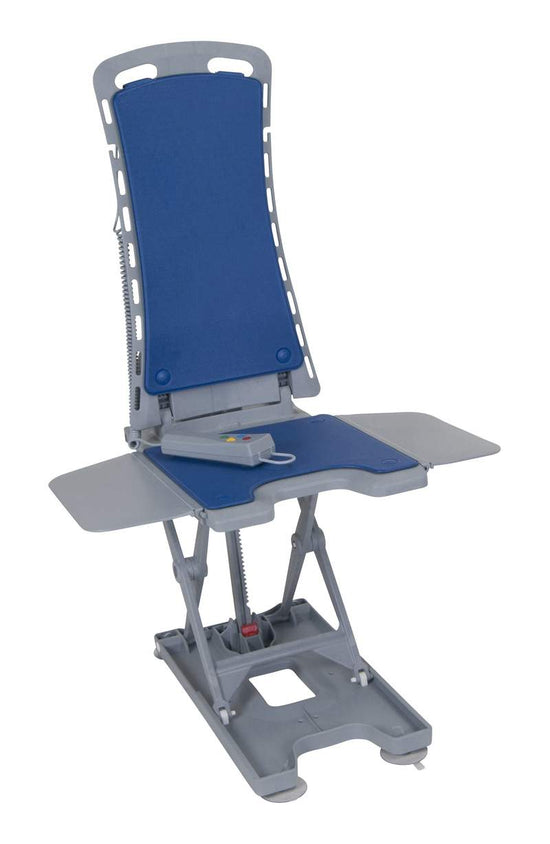
A lift chair does not raise your loved one to a safe standing position.
-
Bathroom safety equipment feels unstable or no longer meets transfer needs.
-
Your loved one avoids using equipment because it feels uncomfortable or difficult.
Fit is especially important because poor positioning can lead to pain, fatigue, pressure points, and unsafe movement patterns. For example, a wheelchair that does not support posture may cause leaning, sliding, or discomfort during longer periods of sitting. A walker that is the wrong height can contribute to poor balance, wrist strain, or back pain.
Caregivers should pay attention to changes in how the equipment is used. If your loved one needs more help than before, struggles with tasks that were once manageable, or appears less steady while using a device, the equipment may no longer be appropriate. Upgrading medical equipment can restore comfort, improve safety, and better match your loved one’s current level of independence.
When Should Caregivers Replace Equipment That Needs Frequent Repairs?
Frequent repairs are one of the clearest signs that medical equipment is reaching the end of its useful life. Occasional maintenance may be normal, especially for items with moving parts, batteries, wheels, motors, or adjustable components. However, when the same issue keeps returning or new problems appear regularly, caregivers should consider whether replacement is the safer and more cost-effective option.
A wheelchair that repeatedly needs brake adjustments, a scooter with unreliable battery performance, or a hospital bed with inconsistent controls can interrupt daily care and create unnecessary stress. Even if the equipment can still be repaired, repeated breakdowns can leave your loved one without essential support when they need it most. For caregivers, this can mean rushed backup plans, increased lifting, greater fall risk, and more physical strain.
There is also a practical cost issue. Repair expenses can add up quickly. At some point, putting more money into older medical equipment may not make sense, especially if a newer model offers better safety features, improved comfort, or easier operation. Caregivers should compare the cost of ongoing repairs with the benefits of upgrading to equipment that is more dependable.
Another concern is parts availability. Older equipment may become harder to service if replacement parts are limited or discontinued. Delays in repairs can disrupt routines and reduce your loved one’s independence. If equipment failure would create a serious safety or care problem, it is better to act before a complete breakdown occurs. Upgrading medical equipment before it becomes unreliable helps protect your loved one and gives caregivers greater peace of mind.
How Can Changes in Mobility Signal the Need for Upgraded Equipment?
Mobility changes often happen gradually, which makes them easy to overlook. A loved one may begin walking more slowly, reaching for furniture, needing more rest breaks, or requiring extra help with transfers. These changes can signal that their current medical equipment no longer provides enough support. For caregivers, recognizing these signs early can help prevent falls and reduce the physical demands of daily care.
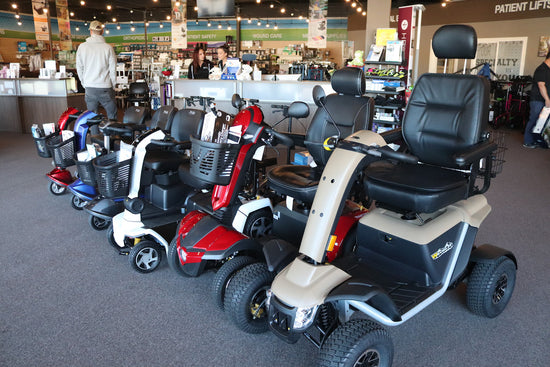
A cane may be enough support at one stage, but a walker or rollator may become safer if balance declines. A manual wheelchair may work well for short distances, but a power wheelchair or mobility scooter may be more practical if endurance decreases. A standard bed may become difficult to use safely if your loved one needs help sitting up, repositioning, or transferring. In these situations, upgrading medical equipment can help match the equipment to the person’s current mobility level.
Mobility upgrades are not only about movement. They also affect dignity and independence. When the right equipment is in place, your loved one may be able to participate more comfortably in daily routines, move around the home with less fear, and rely less heavily on hands-on assistance. This can improve quality of life while also helping caregivers avoid unnecessary lifting, pulling, or repositioning.
Caregivers should watch for increased hesitation, fear of falling, fatigue, or frustration during movement. These signs often mean the current equipment is no longer doing enough. A timely upgrade can make mobility safer, smoother, and more manageable for everyone involved.
What Comfort Issues Suggest It Is Time for New Medical Equipment?
Comfort is more than a preference when it comes to medical equipment. Discomfort can affect posture, circulation, sleep quality, skin health, and willingness to use the equipment consistently. If your loved one complains of pain, pressure, stiffness, or fatigue after using a wheelchair, bed, lift chair, or mobility aid, the equipment may need to be adjusted, replaced, or upgraded.
Caregivers should pay close attention to repeated complaints. A wheelchair cushion that no longer provides support, a mattress that sags, or a chair that does not position the body properly can create pressure areas and make existing pain worse. Poor comfort may also cause your loved one to shift unsafely, avoid sitting or lying in certain positions, or refuse to use equipment altogether. When medical equipment becomes uncomfortable, it can quickly become a safety concern.
Look for these comfort-related warning signs:
-
New or worsening pain after using the equipment
-
Red marks, soreness, or pressure points
-
Difficulty resting or sleeping comfortably
-
Slouching, leaning, or sliding out of position
-
Avoidance of equipment that was previously used regularly
Comfort needs may also change as health conditions progress. Someone recovering from surgery may need more positioning support. A person with reduced strength may need equipment that requires less effort to operate. A loved one with limited mobility may need better cushioning or pressure relief.
Upgrading medical equipment can improve daily comfort and encourage safer, more consistent use. For caregivers, better comfort can also mean fewer repositioning challenges and a smoother care routine.
How Can Outdated Equipment Make Caregiving More Difficult?
Caregiving is physically and emotionally demanding, and outdated medical equipment can make the job much harder than it needs to be. When equipment does not function smoothly, fit correctly, or support safe movement, caregivers often compensate with extra lifting, bending, pulling, pushing, or repositioning. Over time, this can lead to caregiver fatigue, back strain, frustration, and increased risk of injury for both the caregiver and the loved one.
For example, a hospital bed without helpful positioning features may require more manual effort when helping someone sit up or turn. A wheelchair that is heavy, difficult to fold, or hard to maneuver can make transportation and daily movement more stressful. A lift chair that no longer rises properly may require the caregiver to provide more physical assistance during standing. These small challenges can add up quickly when repeated every day.
Modern medical equipment is often designed with both the patient and caregiver in mind. Features such as easier controls, smoother mobility, adjustable height, improved braking, better cushioning, and powered assistance can make care safer and more efficient. The right upgrade can reduce the physical workload and allow caregivers to focus more on comfort, connection, and quality of care.
Caregivers should consider how much effort daily tasks require. If routine activities are becoming harder, slower, or more physically risky, the issue may not be the caregiving routine alone. The equipment may no longer be supporting the level of care needed. Upgrading medical equipment can help create a safer home environment and a more manageable caregiving experience.
FAQ
How often should caregivers evaluate medical equipment?
Caregivers should check medical equipment regularly, especially if it is used every day. A review is also important after a fall, surgery, hospital stay, or major change in mobility or health.
Is it better to repair or replace medical equipment?
It depends on the age, condition, safety, and repair cost of the equipment. If repairs are frequent or the equipment no longer meets your loved one’s needs, replacement may be the safer long-term choice.
What is the most important sign that medical equipment should be upgraded?
The most important sign is reduced safety. If the equipment feels unstable, unreliable, uncomfortable, or no longer supports daily care properly, it is time to consider an upgrade.
When your loved one’s medical equipment no longer provides the safety, comfort, or support they need, Everything Medical is here to help. As a trusted provider of Home Medical Equipment and Supplies in Redding, California, Everything Medical can help caregivers find dependable solutions for safer, more comfortable care at home.
Contact Everything Medical today to explore the right medical equipment and supplies for your loved one’s changing needs.
