


Mobility aids help caregivers by making daily movement safer, easier, and less physically demanding. While mobility aids are designed to support people with limited mobility, they also reduce caregiver strain, improve transfer safety, and support more independent routines at home.
Caregiving often involves much more than companionship or supervision. For many caregivers, each day includes helping a loved one stand, walk, transfer, bathe, sit, and move safely throughout the home. Over time, these repeated physical tasks can become exhausting and may increase the risk of injury for both the caregiver and the person receiving care.
Mobility aids play an important role in making care safer and more manageable. Canes, walkers, rollators, wheelchairs, scooters, lift chairs, and transfer-support products can help users move with greater confidence while also reducing the amount of lifting, steadying, and hands-on assistance caregivers must provide. For caregivers, the right equipment can mean fewer stressful moments, smoother daily routines, and more peace of mind.
For caregivers supporting aging parents, recovering patients, or individuals with chronic mobility challenges, understanding how mobility aids help the entire care partnership is essential. These tools are not only about movement. They are about safety, dignity, energy conservation, and creating a home environment where both the user and caregiver can function with greater comfort.
How Do Mobility Aids Reduce Physical Strain on Caregivers?
One of the biggest challenges caregivers face is the physical demand of helping someone move. Assisting a person from a chair, guiding them across a room, helping them balance, or supporting them during a transfer can place repeated stress on the caregiver’s back, shoulders, arms, and knees. Over time, even small movements can become physically exhausting when they happen many times a day.
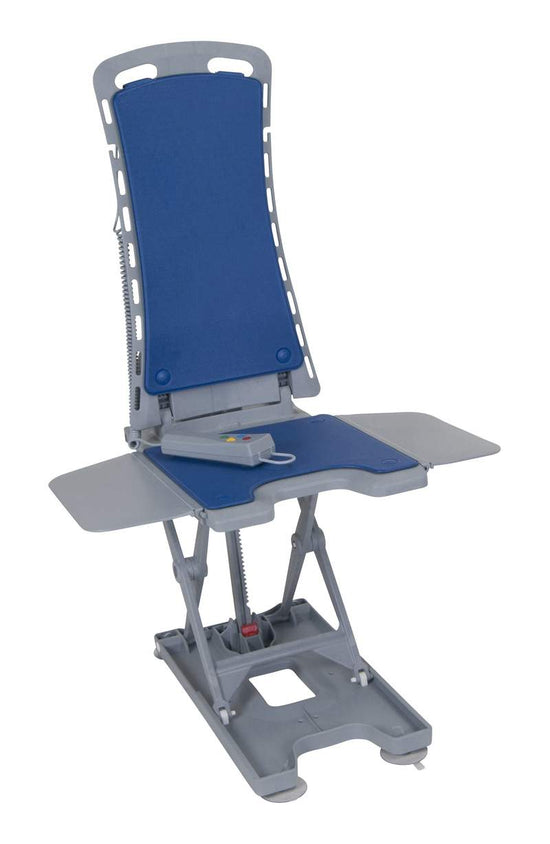
Mobility aids help reduce this strain by allowing the user to participate more actively in their own movement. A walker can provide stability while standing or walking. A rollator can offer balance support and a place to rest when needed. A wheelchair can reduce the need for a caregiver to physically support someone over longer distances. A lift chair can help a person rise from a seated position with less pulling or lifting from the caregiver.
This matters because caregiving is often a long-term responsibility. When the caregiver is constantly lifting, bracing, or catching the user, fatigue can build quickly. Fatigue increases the chance of mistakes, poor body mechanics, and injury. Mobility aids create a safer division of effort by giving the user dependable support while helping the caregiver avoid unnecessary physical overload.
For caregivers, the right mobility aids can make care more sustainable. They allow caregivers to focus less on physically “holding someone up” and more on guiding, supervising, and supporting safe movement.
Why Are Mobility Aids Important for Safer Transfers?
Transfers are among the most important and potentially risky parts of caregiving. Moving from a bed to a wheelchair, from a chair to standing, from a toilet to a walker, or from a wheelchair into a shower requires coordination, strength, balance, and timing. Without proper support, both the caregiver and user may be placed in unsafe positions.
Mobility aids help make transfers more controlled. They give the user something stable to rely on and give the caregiver a safer way to guide the movement. Instead of pulling someone up by the arms or trying to support their full body weight, caregivers can use equipment that encourages better positioning and steadier transitions.
Common transfer-support benefits include:
-
Helping the user stand with better balance and confidence
-
Reducing sudden slips, twists, or uncontrolled movements
-
Making it easier to move between sitting, standing, and walking
-
Lowering the amount of lifting required from the caregiver
-
Supporting safer bathroom, bedroom, and living room routines
Transfer safety is especially important in areas where space is limited or surfaces may be slippery, such as bathrooms. Products like raised toilet seats, grab bars, transfer benches, wheelchairs, and walkers can help reduce uncertainty during these moments.
For caregivers, safer transfers mean less fear and less physical pressure. When the right mobility aids are in place, daily care can feel more predictable and less stressful for everyone involved.
How Can Mobility Aids Support a User’s Independence?
Caregivers often want to help as much as possible, but too much hands-on assistance can sometimes make the user feel less independent. Mobility aids can create a better balance by giving the person receiving care more control over their own movement while still allowing the caregiver to provide support when needed.
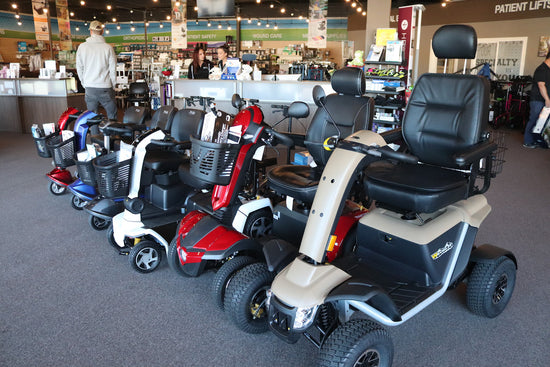
For example, a cane may help someone move safely through short distances in the home. A walker may allow them to travel from the bedroom to the kitchen with supervision rather than direct physical assistance. A rollator may help someone remain active during errands, appointments, or family outings. A power scooter or power wheelchair may make longer-distance mobility possible when walking is too tiring or unsafe.
This independence benefits caregivers as well. When a user can complete small movements with less help, the caregiver may have more time and energy for other responsibilities. Instead of assisting with every step, the caregiver can monitor safety, prepare meals, manage medication reminders, or simply take a moment to rest.
Independence also supports emotional well-being. Many people feel frustrated when they must rely on others for every movement. Mobility aids can help restore a sense of confidence and dignity. For caregivers, that often leads to more positive interactions and less emotional tension during daily care.
The best mobility aids do not replace caregiving. They strengthen it by giving both people more freedom, safety, and confidence.
What Role Do Mobility Aids Play in Fall Prevention?
Falls are one of the greatest concerns for caregivers, especially when caring for older adults or people recovering from surgery, illness, or injury. A fall can lead to pain, loss of confidence, hospital visits, or a major change in someone’s ability to live at home. Because of this, fall prevention is a central part of caregiving.
Mobility aids help reduce fall risk by improving stability, balance, and support during movement. A properly selected walker can provide a wide, stable base. A cane can assist with minor balance challenges. A rollator can support people who need help walking but also need a seat for rest breaks. A wheelchair or scooter can reduce the risk of falls when walking becomes too difficult or unsafe.
For caregivers, fall prevention is not only about avoiding injury to the user. It is also about preventing emergency situations where the caregiver may instinctively try to catch or lift someone in an unsafe way. These moments can cause injury to both people. When mobility aids are used correctly, they reduce the likelihood of sudden instability and give caregivers more control over the environment.
Fall prevention also includes choosing equipment that fits the user’s needs, strength, height, and home layout. A mobility aid that is too large, too small, or too difficult to use can create new risks. Caregivers should pay attention to how confidently the user moves with the aid and whether the home has clear pathways, adequate lighting, and safe surfaces.
How Do Mobility Aids Improve Daily Caregiving Routines?
Daily caregiving is built around routines. Getting out of bed, moving to the bathroom, dressing, eating meals, attending appointments, bathing, and relaxing in a favorite chair all require safe movement. When mobility is difficult, even simple routines can become stressful and time-consuming.
Mobility aids help make these routines smoother. Instead of each movement requiring a high level of effort, the right equipment creates structure and support. A lift chair can make standing easier after rest. A transport chair can simplify trips to appointments. A walker can make short household movement more stable. Bathroom safety products can help with bathing and toileting tasks that are often challenging for caregivers.
Better routines can also reduce caregiver burnout. When each task feels safer and more predictable, caregivers spend less energy worrying about what might go wrong. This can make the day feel more manageable and less physically draining.
Helpful routine improvements may include:
-
Easier morning and bedtime transitions
-
Safer bathroom access and bathing support
-
Less physical lifting during seated-to-standing movements
-
More manageable trips to medical appointments
-
Greater comfort during longer periods of sitting or resting
-
More confidence when moving around the home
For caregivers, consistency matters. Mobility aids help create repeatable systems that make daily care less reactive. Instead of improvising each transfer or movement, caregivers can rely on tools designed to support safer and more comfortable care.
What Types of Mobility Aids Are Most Helpful for Home Caregivers?
The most helpful mobility aids depend on the user’s strength, balance, endurance, medical condition, and home environment. No single product is right for every situation. For caregivers, the goal is to match the aid to the specific challenge the user faces each day.
Canes are often useful for people who need light balance support but can still walk with reasonable stability. Walkers provide more support and may be helpful for users who need a wider base while moving through the home. Rollators can be a good choice for people who can walk but need frequent rest breaks or added confidence outdoors or in larger spaces.
Wheelchairs and transport chairs are helpful when walking is limited, unsafe, or too tiring. A transport chair may be especially useful for caregivers who assist with appointments, errands, or outings. Power wheelchairs and scooters may support users who need more independent mobility over longer distances. Lift chairs can help with one of the most common caregiving challenges: moving from sitting to standing.
Bathroom safety products also support mobility even though they may not always be thought of as traditional mobility aids. Transfer benches, raised toilet seats, grab bars, and commodes can make high-risk areas safer and reduce the caregiver’s need to physically lift or steady the user.
Caregivers should choose mobility aids based on real daily needs, not just general product descriptions. The best option is the one that improves safety, reduces strain, and fits naturally into the user’s routine.
Micro-FAQ
Do mobility aids make caregiving easier?
Yes. Mobility aids can reduce lifting, improve stability, and make daily movement safer for both the caregiver and the user. They help caregivers provide support without taking on as much physical strain.
When should a caregiver consider getting mobility aids?
A caregiver should consider mobility aids when walking, standing, transferring, or bathing becomes difficult, unsafe, or exhausting. Early support can help prevent falls and reduce caregiver stress.
Are mobility aids only for elderly users?
No. Mobility aids can help people of many ages, including those recovering from surgery, living with disability, managing chronic illness, or experiencing temporary injury. They are useful whenever safer movement and support are needed.
Choosing the right mobility aids can make caregiving safer, easier, and more comfortable for both you and your loved one. Everything Medical provides trusted Home Medical Equipment and Supplies in Redding, California, helping caregivers find practical solutions for daily mobility, transfers, comfort, and home safety.
Visit Everything Medical today to explore mobility aids and home medical supplies designed to support safer, more confident care at home.
