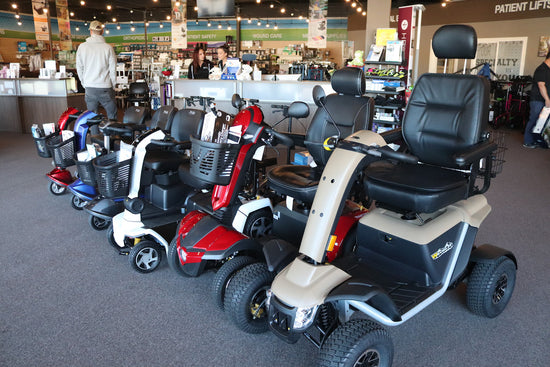

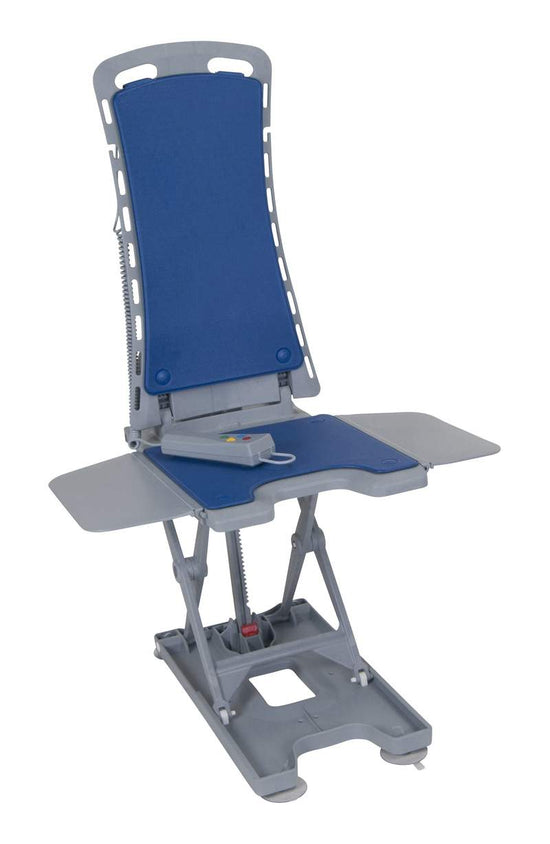


Traveling with medical equipment is safe and manageable when you plan ahead, understand transportation rules, and prepare your devices before leaving home. Seniors should confirm airline, hotel, and destination requirements early, pack essential supplies in carry-on bags, and keep important medical information easy to access.
Travel can be exciting, meaningful, and even necessary, but for older adults who rely on medical equipment, it also requires careful preparation. Whether you use a walker, wheelchair, mobility scooter, CPAP machine, portable oxygen concentrator, hospital-style support device, or daily living aid, the right planning can help prevent delays, discomfort, and safety concerns.
For elderly travelers, medical equipment is not just luggage. It supports independence, comfort, breathing, mobility, rest, and daily routines. Before a trip, it is important to think through how your equipment will be transported, powered, stored, cleaned, and used at each stage of travel. This includes the ride to the airport, security screening, airline policies, hotel accessibility, battery needs, and backup plans in case something is delayed or damaged.
Everything Medical serves people who depend on home care and mobility products, so this topic is especially important for seniors and caregivers preparing for travel. With the right checklist, the right questions, and the right equipment support, traveling can feel much less stressful.
What Medical Equipment Should Seniors Prepare Before Traveling?
Before any trip, seniors should make a complete list of the medical equipment they use at home and decide what must come with them. This may include mobility aids such as canes, walkers, rollators, wheelchairs, or scooters. It may also include respiratory devices such as CPAP machines, nebulizers, or portable oxygen concentrators. Other common items include braces, cushions, incontinence supplies, wound care supplies, medication organizers, blood pressure monitors, and daily living aids.
The goal is to separate essential medical equipment from items that are helpful but not required every day. Essential equipment should travel with you whenever possible, especially if going without it could affect breathing, walking, sleeping, medication routines, or personal care. For elderly travelers, it is usually better to bring familiar equipment rather than depend on finding the same item at the destination.
Before leaving, inspect each item carefully. Make sure wheels roll smoothly, brakes lock securely, batteries hold a charge, tubing is clean, and all small parts are attached. If something is worn, loose, or unreliable, address it before the trip. A small equipment problem at home can become a much bigger problem in an airport, hotel, cruise terminal, or unfamiliar city.
It is also wise to write down the equipment name, model number, serial number, manufacturer, and supplier contact information. Keep this information with your travel documents. If a wheelchair, scooter, or device is damaged or misplaced, these details can make it easier to explain what you need.
How Should You Pack Medical Equipment for a Trip?
Packing medical equipment properly helps protect your health, your comfort, and your schedule. Seniors should avoid placing critical devices or supplies only in checked luggage, because checked bags can be delayed, damaged, or routed to the wrong destination. Items needed for breathing, sleeping, walking, hygiene, or medication routines should stay close whenever practical.
Use a dedicated medical equipment bag when possible. Label it clearly with your name, phone number, destination address, and emergency contact. If the equipment has removable parts, pack them in a sealed pouch inside the same bag. This reduces the chance of losing cords, masks, chargers, batteries, filters, tubing, or small accessories.
A helpful packing checklist may include:
-
Main medical device or mobility aid
-
Power cord, charger, and adapter
-
Extra batteries, if allowed for your type of travel
-
Prescription or doctor’s note when helpful
-
Cleaning wipes or approved cleaning supplies
-
Replacement tubing, filters, cushions, or masks
-
Emergency contact and supplier information
-
Printed instructions for equipment use
-
Basic repair items, such as approved tools or spare tips
For elderly travelers, simplicity matters. Pack so the most important items are easy to reach without lifting heavy bags or bending deeply. If you use a CPAP machine, oxygen device, or other powered medical equipment, avoid burying it under clothing or personal items. When traveling with a caregiver, both people should know where the medical equipment is packed and how it works.
What Should You Know About Flying With Medical Equipment?
Flying with medical equipment requires preparation because airports and airlines have specific rules. Seniors should contact the airline before travel, especially when bringing a wheelchair, scooter, portable oxygen concentrator, CPAP machine, or battery-powered mobility device. Airline policies may vary, and advance notice can help avoid confusion at check-in or boarding.
Portable oxygen concentrators are treated differently from compressed or liquid oxygen. The FAA states that passengers may not bring their own compressed or liquid oxygen in checked baggage, carry-on baggage, or on their person, while portable oxygen concentrators may be carried under applicable rules. (Federal Aviation Administration) The U.S. Department of Transportation also notes that airlines may require advance notification, a physician’s statement, and enough charged batteries to power a portable oxygen concentrator for at least 150% of the flight duration. (Department of Transportation)
Battery rules are especially important. Spare lithium batteries and power banks generally must be carried in carry-on baggage and protected from damage or short circuit. The FAA also explains that larger lithium batteries may require airline approval, and removed or spare wheelchair or mobility-device batteries have specific watt-hour limits. (Federal Aviation Administration)
At security, tell the officer that you are traveling with medical equipment. Medically necessary liquids and associated supplies may be allowed through screening, but they should be declared and may require additional inspection. (Department of Homeland Security) Give yourself extra time at the airport so screening, equipment tagging, and boarding assistance do not feel rushed.
How Can Seniors Travel Safely With Mobility Equipment?
Mobility equipment can make travel much safer, but only when it is matched to the trip. A cane that works well at home may not be enough for long airport walks. A rollator may be helpful for sightseeing but difficult on uneven ground. A wheelchair may be the safest option for airports, cruises, theme parks, medical trips, or destinations with long walking distances.
Before traveling, think through each part of the journey:
-
How far will you need to walk at the airport, station, hotel, or destination?
-
Will there be stairs, curbs, ramps, elevators, or narrow doorways?
-
Can your mobility equipment fold or be lifted into a vehicle?
-
Does your hotel room have enough space for a walker, wheelchair, or scooter?
-
Will you need a shower chair, raised toilet seat, bedside commode, or transfer aid?
-
Is there a backup plan if your main mobility device is damaged or unavailable?
For elderly travelers, the safest choice is often the one that reduces fatigue. Many falls happen when a person becomes tired, hurried, or unsure of their surroundings. Using a wheelchair in a large airport or a rollator during a long outing is not a loss of independence. It can be a practical way to conserve energy and enjoy the trip more comfortably.
Check brakes, wheels, grips, footrests, and folding parts before leaving home. If using a scooter or power wheelchair, confirm the battery type and airline handling requirements ahead of time. Add a bright luggage tag or ribbon to mobility equipment so it is easy to identify.
What Should You Do If Your Medical Equipment Needs Power or Batteries?
Power planning is one of the most important parts of traveling with medical equipment. Devices such as CPAP machines, portable oxygen concentrators, nebulizers, power wheelchairs, scooters, and lift-related equipment may depend on reliable electricity or battery charge. Seniors should never assume that outlets, adapters, charging time, or backup power will be available exactly when needed.
Start by checking the power requirements of each device. Look at the label, user manual, or manufacturer information. Confirm whether the equipment uses a rechargeable battery, removable battery, standard outlet, vehicle charger, or special adapter. If traveling internationally, check whether a voltage converter or plug adapter is required. A simple plug adapter changes the shape of the plug, but it does not always convert electrical voltage.
For air travel, battery rules must be taken seriously. Spare lithium batteries must usually stay in carry-on baggage, and terminals should be protected from contact with keys, coins, or other metal objects. The FAA explains that spare batteries and power banks are subject to watt-hour limits, and some larger batteries require airline approval. (Federal Aviation Administration)
Charge all equipment fully before leaving home. Bring chargers in your carry-on or personal bag, not buried in checked luggage. At the destination, plug in essential devices as soon as possible so they are ready when needed. Seniors who depend on powered medical equipment overnight should ask the hotel about outlet access near the bed and consider bringing a safe, approved extension option only when appropriate.
How Can Caregivers Help Elderly Travelers Manage Medical Equipment?
Caregivers play an important role when an elderly person travels with medical equipment. Their support can reduce stress, prevent mistakes, and help the traveler feel more confident. The caregiver does not need to take over everything, but they should understand what equipment is being used, why it matters, and what to do if something goes wrong.
Before the trip, caregivers should help create a simple equipment plan. This includes checking the condition of each device, confirming airline or transportation rules, packing accessories, and keeping important documents in one place. It is helpful for the caregiver to know which items must stay with the traveler at all times and which items can be stored separately.
During travel, caregivers should watch for fatigue, shortness of breath, pain, balance problems, or confusion. Elderly travelers may try to push through discomfort because they do not want to slow others down. A good caregiver notices early warning signs and suggests rest before a small issue becomes serious.
Caregivers should also help communicate clearly with airport staff, hotel staff, drivers, and medical personnel if needed. For example, they can explain that a bag contains medical equipment, request wheelchair assistance, ask for an accessible room, or confirm that a device can be safely stored. The best support is calm, respectful, and practical. With preparation, medical equipment becomes part of the travel routine rather than a source of worry.
Micro-FAQ
Can I bring medical equipment on an airplane?
Yes, many types of medical equipment can be brought on an airplane, but rules depend on the device, battery type, and airline policy. Contact the airline before travel, especially for oxygen devices, scooters, power wheelchairs, or large equipment.
Should I pack medical equipment in checked luggage?
Essential medical equipment should usually stay with you whenever possible. Checked luggage can be delayed or damaged, so keep critical devices, chargers, medications, and daily-use supplies in your carry-on or personal item.
Do I need a doctor’s note for medical equipment?
A doctor’s note is not always required, but it can be helpful, especially when traveling with oxygen-related equipment, injectable supplies, or specialized devices. Keep the note simple and include your name, condition, equipment need, and physician contact information.
Prepare for safer, more comfortable travel with support from Everything Medical, your trusted source for home medical equipment and supplies in Redding, California. Whether you need mobility equipment, daily living aids, bathroom safety products, or travel-ready medical supplies, Everything Medical can help you find the right solutions before you go.
