


Investing in quality medical supplies can help reduce long-term healthcare expenses by minimizing frequent replacements, supporting safer daily activities, and improving the reliability of home medical equipment. While higher-quality products may have a greater upfront cost, their durability, comfort, and dependable performance can provide better value over time.
For seniors, caregivers, and individuals managing ongoing health conditions, having reliable medical supplies at home is essential. From mobility aids and bathroom safety equipment to hospital beds and personal care products, the right supplies can make everyday activities easier and more comfortable.
However, choosing medical supplies based solely on price can sometimes lead to additional expenses. Products that wear out quickly, do not fit properly, or fail to meet a person's needs may require frequent replacement or costly adjustments.
Understanding the long-term value of quality medical supplies can help individuals and families make informed purchasing decisions while maintaining comfort, independence, and peace of mind.
Why Do Quality Medical Supplies Offer Better Long-Term Value?
When purchasing home medical supplies, it is natural to compare prices and look for affordable options. However, the lowest-priced product is not always the most economical choice over time.
Quality medical supplies are generally designed with durability, functionality, and consistent performance in mind. These qualities are especially important for equipment used regularly, such as wheelchairs, walkers, rollators, and hospital beds.
For example, a well-constructed walker with sturdy components and properly functioning wheels may withstand regular daily use better than a less durable alternative. Similarly, a dependable hospital bed with appropriate features may provide consistent support without requiring frequent adjustments or premature replacement.
The long-term value of medical supplies often comes from how well they perform throughout their usable lifespan.
Several factors contribute to that value, including material quality, construction, availability of replacement parts, warranty coverage, and suitability for the user's needs.
Another consideration is the overall ownership cost. Beyond the initial purchase, families may need to account for maintenance, accessories, repairs, and eventual replacement.
A product that costs less initially but requires frequent replacement may become more expensive than an appropriately selected, longer-lasting alternative.
That does not mean the most expensive option is always the best. Instead, the goal is to identify medical supplies that offer a reasonable balance of affordability, reliability, safety, and comfort.
For individuals who depend on medical equipment every day, investing in dependable products can make managing home healthcare needs more predictable and potentially more cost-effective.
How Can Durable Medical Equipment Reduce Replacement and Repair Costs?
Durability is one of the most important considerations when evaluating the long-term cost of medical equipment.
Equipment used frequently must withstand regular movement, handling, cleaning, and everyday wear. Products made with dependable materials and properly designed components may experience fewer premature failures when used according to manufacturer instructions.
This can be particularly valuable for individuals who rely on mobility equipment or other home medical devices for daily activities.
When comparing quality medical supplies, buyers should consider several practical factors:
Construction and materials: Look for sturdy frames, dependable components, and materials appropriate for the intended use.
Weight capacity: Choose equipment with a manufacturer-rated capacity that safely accommodates the user.
Replacement parts: Check whether components such as wheels, brakes, cushions, or batteries can be replaced when necessary.
Warranty protection: Review warranty terms to understand which repairs or manufacturing defects may be covered.
Maintenance requirements: Consider how easily equipment can be cleaned, inspected, and maintained.
Manufacturer reputation: Compare established manufacturers with a history of producing dependable medical equipment.
For example, a quality wheelchair with serviceable parts may remain useful longer when properly maintained. Replacing a worn wheel or cushion may be more economical than purchasing an entirely new wheelchair, provided the equipment remains safe and functional.
The same principle can apply to mobility scooters, power wheelchairs, and adjustable hospital beds.
However, durability also depends on proper use. Even well-made equipment can develop problems if it is overloaded, improperly stored, or maintained incorrectly.
Following manufacturer recommendations and addressing small issues before they become major problems can help protect the investment.
Ultimately, selecting durable medical equipment can reduce unnecessary replacement expenses while supporting consistent daily use.
Can Quality Medical Supplies Help Prevent Unexpected Healthcare Expenses?
Choosing appropriate medical supplies is not simply a financial decision. It can also support a safer and more comfortable home environment.
Individuals recovering from surgery, living with mobility limitations, or managing age-related changes may face greater challenges with everyday activities.
Poorly fitted, unstable, or unsuitable equipment can introduce additional difficulties. For example, a walker that does not provide adequate support or a shower chair that is not properly rated for the user may increase the risk of accidents.
Quality medical supplies that are correctly selected, fitted, and used can help reduce certain avoidable risks.
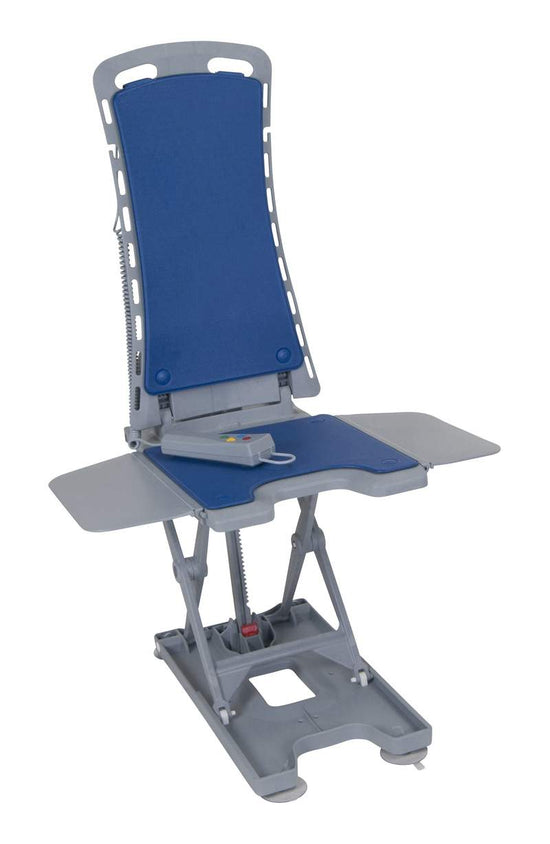
Bathroom safety equipment is an important example. Grab bars, transfer benches, raised toilet seats, and shower chairs are designed to support safer movement in areas where wet surfaces and limited mobility can create hazards.
Similarly, properly selected mobility aids can assist with balance and movement when recommended by an appropriate healthcare professional.
Avoiding an accident can also help families avoid some of the indirect expenses associated with injuries, such as additional transportation, caregiver assistance, or changes to the home environment.
However, no medical product can guarantee injury prevention. Safe use, appropriate installation, and professional guidance remain essential.
The cost of unsuitable equipment can extend beyond the purchase price. If a product causes discomfort, is difficult to operate, or does not meet the user's physical requirements, it may need to be replaced.
Taking time to evaluate safety features, product specifications, and individual needs can help reduce those situations.
By prioritizing well-designed equipment and appropriate fit, families can make purchasing decisions that support both financial planning and everyday safety.
How Does Investing in Comfortable Medical Equipment Save Money Over Time?
Comfort plays an important role in the long-term value of home medical equipment.
A product may be durable and reasonably priced, but if it is uncomfortable or difficult to use, it may not be suitable for the person who depends on it.
This is particularly relevant for wheelchairs, hospital beds, lift chairs, and other equipment used for extended periods.
For example, a wheelchair with appropriate seat dimensions, positioning support, and compatible cushioning may better meet a person's daily needs than a basic model that does not fit correctly.
Likewise, an adjustable hospital bed may help caregivers assist with positioning and routine care when its features match the user's requirements.
Comfortable, properly selected equipment may also encourage consistent use. When individuals can operate their medical devices with less difficulty, they may be more willing to incorporate the equipment into their everyday routines.
This can help families avoid purchasing additional products simply because the original equipment was not practical or comfortable enough.
However, comfort is highly individual. Features that work well for one person may not be appropriate for another, especially when specific medical conditions or positioning requirements are involved.
That is why fit, adjustability, and professional recommendations should be considered before making a purchase.
It is also important to evaluate accessories. Appropriate cushions, supports, and positioning products may improve the usability of certain equipment, although they must be compatible with the device and suitable for the individual.
Investing in quality medical supplies that support comfort and practical everyday use can help families get more consistent value from their purchases.
Over time, choosing equipment that meets both physical and lifestyle needs may reduce unnecessary upgrades, replacements, and additional spending.
What Should You Consider Before Purchasing Quality Medical Supplies?
Making a smart investment in medical supplies begins with understanding the user's needs.
Whether purchasing equipment for yourself, an aging parent, or someone recovering at home, choosing the right product can help avoid unnecessary expenses and improve everyday convenience.
Before selecting quality medical supplies, consider the following:
Frequency of use: Determine whether the equipment will be used occasionally, temporarily, or throughout the day.
Individual mobility and care needs: Consider balance, strength, comfort, positioning, and any recommendations from healthcare professionals.
Home environment: Measure doorways, hallways, bathrooms, and available storage space to confirm that equipment will fit.
Product features: Compare adjustability, portability, ease of operation, and other features that affect daily usability.
Warranty and support: Review available product warranties, maintenance guidance, and repair options.
Long-term needs: Consider whether the equipment can accommodate reasonable changes in the user's circumstances.
Insurance eligibility: Ask whether Medicare, Medi-Cal, private insurance, or another program may cover eligible equipment when applicable.
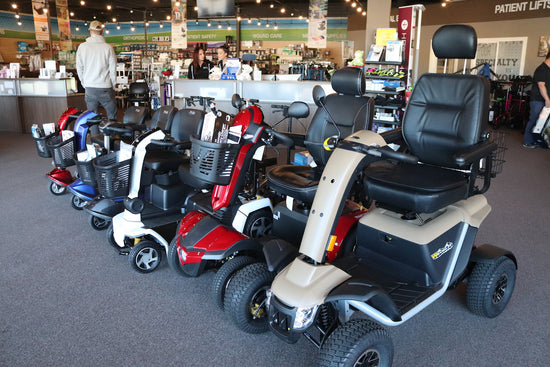
For example, someone purchasing a mobility scooter should think about where it will be used, how frequently it will travel, its battery requirements, and whether the individual can operate it safely.
Similarly, a family selecting a hospital bed should consider mattress compatibility, available room space, positioning requirements, and caregiver access.
Purchasing equipment without evaluating these factors can result in products that are difficult to use or unsuitable for the home.
It is also useful to compare the total cost of ownership rather than focusing exclusively on the initial purchase price.
Ask whether the equipment requires periodic maintenance, consumable accessories, or replacement components.
Finally, consulting knowledgeable medical supply professionals can make the selection process easier.
A supplier familiar with home medical equipment can explain product specifications and available options, while a healthcare professional can help determine what equipment is medically appropriate.
These steps can help buyers make informed decisions that balance immediate affordability with lasting value.
Why Is Choosing a Trusted Local Medical Supply Provider Important?
Selecting quality medical supplies involves more than choosing a dependable product. Working with a knowledgeable medical supply provider can also influence the overall purchasing experience.
Home medical equipment comes in many different sizes, configurations, and designs. Without appropriate guidance, it can be difficult to identify which products best match an individual's needs.
A trusted local provider can help customers understand available equipment options, compare product features, and identify important considerations before making a purchase.
This is particularly helpful for family caregivers who may be purchasing unfamiliar equipment for the first time.
For residents of Redding, California, having access to a local medical supply store can make researching and selecting home medical equipment more convenient.
Being able to explore products in person may help customers better understand how equipment operates, how much space it requires, and which features are most useful.
Local support can also be valuable after the initial purchase.
For example, customers may have questions about compatible accessories, routine maintenance, manufacturer warranties, or available repair services.
Understanding these details before purchasing can help reduce avoidable expenses later.
Insurance assistance is another consideration. Certain medically necessary equipment may qualify for coverage under applicable insurance programs, depending on eligibility, documentation, and plan requirements.
Working with a provider that offers insurance billing assistance may help customers better understand the purchasing process and their potential out-of-pocket responsibilities.
Everything Medical is a locally owned home medical equipment and supplies provider serving Redding and surrounding Northern California communities. Its selection includes mobility equipment, wheelchairs, walkers, hospital beds, bathroom safety products, and daily living supplies.
With knowledgeable staff and a focus on personal service, Everything Medical helps customers explore equipment options that suit their practical needs and budgets.
Choosing the right provider can make it easier to invest confidently in medical supplies that deliver dependable value over time.
Frequently Asked Questions About Quality Medical Supplies
Are quality medical supplies worth the higher upfront cost?
Quality medical supplies can offer better long-term value when they last longer, require fewer replacements, and meet the user's needs effectively. However, the best choice depends on product durability, intended use, warranty coverage, and overall affordability.
How can I make my home medical equipment last longer?
Follow the manufacturer's cleaning, maintenance, and storage recommendations, and inspect equipment regularly for signs of wear. Replace damaged components when appropriate and seek professional assistance if the equipment becomes unsafe or stops functioning properly.
Does insurance cover quality medical supplies and equipment?
Medicare, Medi-Cal, and some private insurance plans may cover certain medically necessary equipment when eligibility and documentation requirements are met. Coverage varies by product and plan, so confirm benefits and potential out-of-pocket costs before purchasing.
Find Quality Medical Supplies at Everything Medical in Redding, California
Investing in reliable home medical equipment is an important step toward maintaining comfort, supporting independence, and managing long-term healthcare expenses.
Whether you are searching for mobility aids, bathroom safety products, hospital beds, or everyday home healthcare essentials, selecting appropriate equipment can make a meaningful difference in both usability and long-term value.
At Everything Medical, we understand that every individual has unique needs and financial considerations. Our team is here to help you explore quality medical supplies and find practical solutions for your home healthcare requirements.
Visit Everything Medical at 2376 Athens Avenue in Redding, California, or call 877-221-3633 to learn more about our home medical equipment and supplies. Let us help you find dependable equipment that supports your comfort, safety, and independence while making the most of your investment.
