

In home medical equipment and supplies, proper fit is more important than brand names because a well-fitted device ensures comfort, safety, and effectiveness. Whether it’s a walker, brace, wheelchair, or compression garment, the right fit can drastically improve mobility and quality of life—while even the most expensive brand-name item can fail if it doesn’t suit the user’s needs.
When shopping for home medical equipment, many people are drawn to recognizable brand names. However, in the world of mobility aids, braces, respiratory gear, and daily living devices, proper fit should always come first. A correctly fitted product ensures the user’s safety, comfort, and health outcomes. In contrast, even a top-tier product can cause pain or injury if it doesn't fit the individual properly.
At Everything Medical, we know that no two patients are the same. Age, body type, medical condition, and lifestyle all play a role in what equipment will work best. Our mission is to help people choose solutions that truly support their well-being—not just what looks good on the label.
How Does Proper Fit Affect the Safety of Medical Equipment?
Safety is one of the most important reasons to prioritize proper fit in home medical equipment. For example, a walker that’s too high or too low can cause imbalance, while a brace that’s too tight might restrict circulation or cause skin damage. Poorly fitted CPAP masks can leak air, reducing the effectiveness of respiratory therapy. Simply put, improperly fitted equipment increases the risk of falls, discomfort, and ineffective treatment.
Proper fit aligns the device with the user’s body mechanics, ensuring it supports movement correctly and doesn’t introduce new health risks. This is especially crucial for elderly users, those recovering from surgery, or patients with chronic conditions. When you focus on fit first, you’re investing in safer and more reliable outcomes.
Can Brand-Name Products Still Cause Problems if They Don’t Fit?
Absolutely. Brand names can give a sense of trust, but they’re not a guarantee of comfort or compatibility. Many customers buy popular items assuming they’ll work for everyone, but an ill-fitting high-end brace or mobility aid can cause more harm than a generic but well-fitted option.
For instance, a premium wheelchair may include the latest features, but if the seat size doesn’t match the user’s dimensions, it can lead to posture problems or pressure sores. The issue isn't the brand—it's the lack of personalization. Always prioritize how a product fits your specific needs over who made it.
What Types of Home Medical Equipment Require Professional Fitting?
Some home medical products are more sensitive to fit than others and are best selected with the help of professionals. These include:
-
Walkers and rollators – Height must match the user's posture and stride
-
Wheelchairs and transport chairs – Seat size, armrests, and footrests must suit the user’s body
-
Orthopedic braces – Knee, back, or wrist braces need precise sizing for support
-
Compression stockings and garments – Improper size can impair circulation
-
CPAP masks and headgear – Poor fit reduces therapeutic effectiveness
-
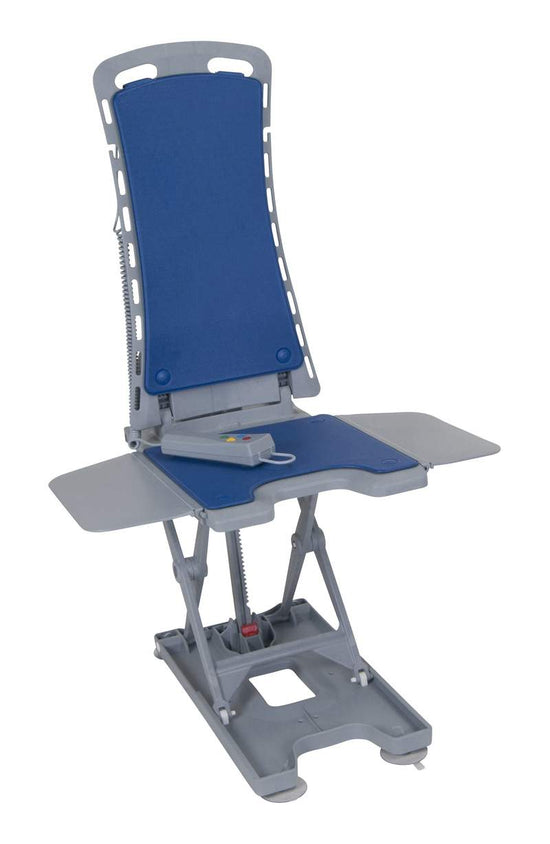
Bathroom safety equipment – Grab bar placement and shower chair sizing impact safety
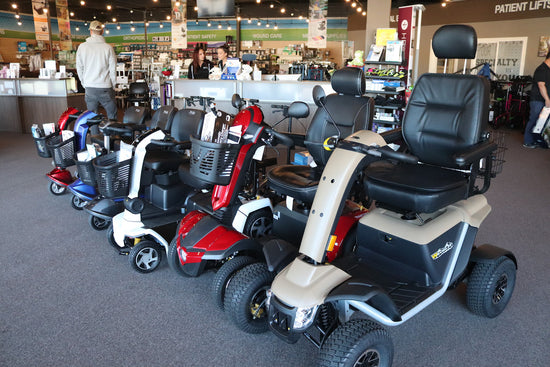
At Everything Medical, we offer in-store fittings and guidance to help ensure each product matches your needs—not just the brand’s marketing.
Are There Risks of Choosing the Wrong Size or Fit for Mobility Aids?
Yes, choosing the wrong size or poorly adjusted mobility equipment can be dangerous. A cane that's too short causes poor posture; a rollator that's too tall affects balance. These errors can result in trips, falls, or muscle strain.
Improper fit doesn’t just impact safety—it can discourage use entirely. If a walker is uncomfortable or hard to use, the patient may stop using it, which could reduce mobility and independence over time. That’s why fit is more than a comfort issue—it’s a key factor in long-term health and mobility success.
How Can I Tell if a Product Fits Properly or Not?
There are clear signs when a medical device doesn't fit right. You may experience pain, restricted movement, bruising, or pressure sores. On the other hand, a properly fitted device should feel supportive, comfortable, and intuitive to use.
Here are some ways to evaluate fit:
-
Is there pain or pinching during use?
-
Do you need to overcompensate with your body to use it?
-
Is your posture natural while using the device?
-
Are straps or contact points evenly distributed without pressure?
If you're unsure, visit a professional who can perform a fitting assessment to make adjustments or recommend a better match.
Is It Worth Getting Custom-Fitted Medical Gear Instead of Off-the-Shelf Brands?
In many cases, yes. Custom-fitted equipment may cost a little more upfront, but the benefits often outweigh the price. Tailored braces, custom wheelchair cushions, or properly measured compression socks can dramatically improve comfort, prevent injury, and enhance daily performance.
Off-the-shelf gear can work well, but only if it’s fitted properly. Many stores, including Everything Medical, offer guidance to help adjust stock items for optimal use. However, if you're dealing with unique body proportions, severe mobility issues, or long-term equipment needs, investing in custom-fitted options can make a meaningful difference.
Micro-FAQ: Quick Answers About Proper Fit
Q1: Is proper fit more important than product features?
Yes. A well-fitted basic product is often more effective than a feature-rich item that doesn’t fit correctly.
Q2: Can I fit medical equipment myself at home?
Some items can be adjusted at home, but professional fitting is recommended for safety-critical equipment like walkers, braces, and CPAP masks.
Q3: How often should I check if my equipment still fits?
Check every 6–12 months or whenever you experience physical changes like weight loss, surgery, or worsening symptoms.
Don’t settle for discomfort or risk your safety with the wrong equipment. At Everything Medical, we specialize in helping you find the proper fit—not just the right brand. Visit our showroom in Redding, California to get personalized guidance on home medical equipment and supplies that truly support your health and lifestyle.
