


Choosing safe home medical equipment means assessing the patient’s unique needs, the home environment, and the reliability of the equipment itself. Caregivers should prioritize ease of use, professional-grade quality, and vendor support to ensure both safety and peace of mind.
When a loved one requires medical support at home, selecting the right equipment is a vital responsibility. The right choices can dramatically improve safety, comfort, and quality of life. This guide is designed to help caregivers—whether family members or professionals—navigate the key considerations when choosing safe home medical equipment.
Even if you're uncertain about your role, this blog will clarify what matters most: selecting equipment that meets health needs without introducing safety risks. We'll explore how to assess the environment, compare equipment types, and make informed, confident decisions for those under your care.
What are the essential safety features to look for in home medical equipment?
Safety is non-negotiable when it comes to medical equipment in the home. Whether it’s a hospital bed, a walker, or oxygen support, each item should include specific features that protect the user and simplify caregiving. At a minimum, equipment should meet current FDA or industry safety standards and be free of design flaws or recalls.
Look for the following safety features:
-
Non-slip surfaces: Especially important for mobility aids like bath chairs and walkers.
-
Adjustability: Allows caregivers to tailor the equipment to the patient’s height, weight, or condition.
-
Locking mechanisms: On beds, wheelchairs, and commodes to prevent accidental movement.
-
Alarms or alerts: Such as oxygen monitors with audible warnings for low levels or disconnection.
-
Stable design: Avoid products with a high center of gravity or weak frames.
-
Clear instructions: Equipment should come with intuitive manuals or demonstration support.
Caregivers should also test or receive demonstrations of any equipment before making final decisions.
How do I assess my home for compatibility with medical equipment?
Not all homes are naturally suited for medical devices, so an environmental assessment is crucial. You’ll need to consider entryways, door widths, stair access, and available floor space. For example, installing a home hospital bed may require moving furniture, reinforcing flooring, or rearranging power outlets.
Begin by mapping the intended care area and consider the following:
-
Is there enough space for both the equipment and caregivers to move safely around it?
-
Are floors level and slip-resistant?
-
Are there enough grounded outlets for powered equipment?
-
Is the lighting adequate for visibility at night?
If you’re uncertain, consider requesting a home evaluation from a medical equipment provider or occupational therapist. This can prevent purchasing equipment that doesn’t fit or function safely in the home.
Should I rent or buy medical equipment for home care?
The choice between renting and buying comes down to duration, cost, and flexibility. For short-term recovery—such as post-surgery care—renting often makes more sense. But for chronic conditions or long-term disability, purchasing may offer more value over time.
Here’s a breakdown to help guide your decision:
-
Rent if:
-
The need is temporary (under 6 months)
-
You want to try equipment before committing
-
You’re unsure how your needs may evolve
-
Buy if:
-
The equipment will be used daily for a year or more
-
You want to modify/customize the equipment
-
Insurance or Medicare will help cover purchase costs
Many suppliers offer rent-to-own programs, and it's always worth asking about maintenance, repairs, and return policies before committing.
What types of equipment are commonly needed for elderly or disabled patients?
Caregiving often involves a range of medical and mobility equipment, depending on the individual's diagnosis and mobility level. Knowing the most commonly used items can help you build a safe and supportive home setup.
Essential categories include:
-
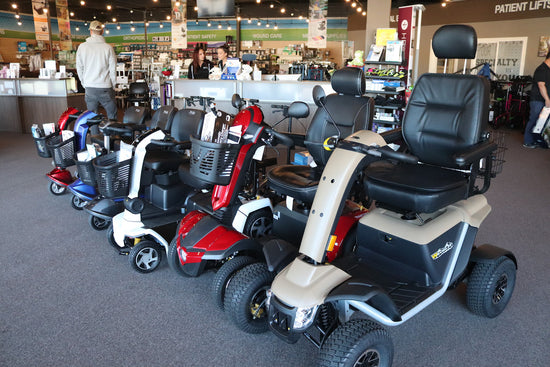
Mobility aids: Walkers, wheelchairs, transfer chairs, canes
-
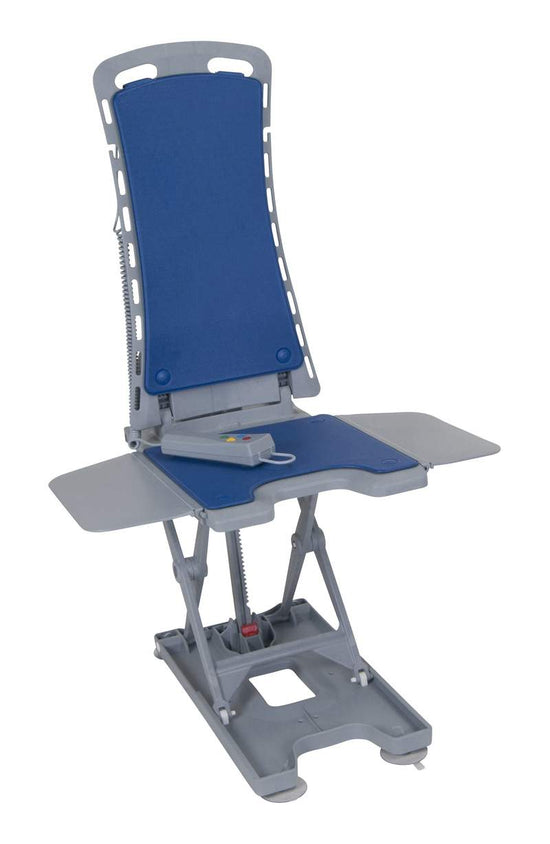
Bathroom safety: Shower benches, grab bars, raised toilet seats
-
Bedroom support: Hospital beds, bed rails, overbed tables
-
Respiratory devices: Oxygen concentrators, nebulizers
-
Monitoring tools: Blood pressure cuffs, glucose monitors, pulse oximeters
As the caregiver, focus on usability and comfort. Always verify whether the equipment is appropriate for the patient’s weight, diagnosis, and mobility level. And ensure proper training or instruction accompanies complex items like lifts or oxygen systems.
How can I ensure the equipment I choose is compliant and high-quality?
Caregivers should only purchase or rent safe home medical equipment that has passed safety testing and certification. In the U.S., look for FDA-registered equipment or gear that meets ISO or ANSI standards. Never buy medical equipment from unverified marketplaces or second-hand sellers unless professionally inspected.
Follow this simple checklist:
-
Check for compliance labels or certification stamps
-
Read customer and professional reviews on supplier websites
-
Ask about warranties, service plans, and manufacturer support
-
Ensure equipment has not been recalled (check FDA recall database)
-
Only work with licensed durable medical equipment (DME) providers
Using high-quality equipment reduces the risk of injury and equipment failure—and makes caregiving smoother and safer.
Where can I find trustworthy suppliers of safe home medical equipment?
Reputable suppliers make all the difference when it comes to service, support, and safe products. Avoid unfamiliar online sellers and instead look for local or national suppliers that specialize in home medical equipment.
Here's what to look for:
-
Licensed DME providers with knowledgeable staff
-
Product warranties and repair services
-
In-home delivery and setup
-
24/7 support or emergency replacement services
-
Education on proper use and maintenance
If you’re unsure where to start, Everything Medical offers a wide range of vetted, high-quality medical equipment with expert assistance to guide you.
Micro-FAQ: Safe Home Medical Equipment
Q1: Can I install medical equipment myself, or do I need help?
Many items like walkers or shower chairs are simple to install, but complex devices such as hospital beds or oxygen systems should be professionally installed for safety.
Q2: Will insurance cover home medical equipment?
In many cases, yes. Medicare, Medicaid, and private insurers often cover equipment deemed medically necessary with a doctor’s prescription.
Q3: How often should medical equipment be inspected or replaced?
Routine inspections should be done monthly, while replacement timelines vary—mobility aids might last years, but batteries or hoses may need replacing sooner.
Trust Everything Medical—your local experts in home medical equipment and supplies. Whether you're caring for a loved one short-term or long-term, we offer high-quality, FDA-compliant solutions with personalized support. Visit Everything Medical in Redding, California today to get the equipment you need—safely, affordably, and confidently.
